


Introduction
College education is an important step towards building a successful career, but learning does not happen only inside classrooms. As students move closer to graduation, they begin to understand that academic knowledge and professional experience both play an important role in preparing for the workplace.
Companies today look for graduates who can understand concepts, apply their knowledge, work with teams, and handle practical responsibilities. This is why internships, industry interactions, live projects, and practical learning opportunities have become important parts of higher education.
Whether a student is pursuing Engineering, Management, Computer Applications, Law, Biotechnology, or another discipline, gaining exposure to professional environments can help them understand how their chosen industry works.
For students planning their higher education in 2027, understanding the importance of internships and industry-oriented learning can help them make better academic and career decisions.
1. Why Classroom Learning Alone May Not Be Enough
Classroom education provides students with the theoretical foundation required to understand their subjects. However, professional environments often require the application of this knowledge to practical situations.
For example, a management student may understand marketing strategies through textbooks, but developing an actual marketing campaign requires research, planning, communication, and execution.
Similarly, a computer science student may learn programming languages during lectures but needs practical experience to develop software applications and solve technical problems.
Some Important Skills Students Can Develop Through Practical Exposure Include:
- Applying theoretical knowledge to real situations.
- Understanding professional responsibilities.
- Working with modern tools and technologies.
- Improving communication and teamwork.
- Developing problem-solving abilities.
- Understanding industry expectations.
Classroom learning and practical experience should therefore complement each other throughout a student's academic journey.
2. Understanding the Importance of Internships During College
An internship provides students with an opportunity to gain professional experience while continuing their education. It allows them to observe workplace practices, understand industry requirements, and work on tasks related to their academic background.
Internships can be particularly useful for students who are still exploring different career options.
Some Major Benefits of Internships Include:
Practical Experience: Students get opportunities to apply the knowledge they have gained through academic studies.
Professional Communication: Working with colleagues and supervisors helps students improve their communication and collaboration skills.
Industry Understanding: Internships introduce students to workplace responsibilities, professional expectations, and organisational structures.
Career Exploration: Students can understand whether a particular role or industry matches their interests.
Resume Development: Relevant internship experience can help students demonstrate their practical knowledge during recruitment.
Students should try to choose internships that are relevant to their academic background and long-term career interests rather than focusing only on the organisation's name.
3. How Industry Exposure Helps Students Understand Real Workplace Requirements
Industry exposure allows students to understand how businesses, companies, and professional organisations operate.
It can take different forms, including industrial visits, guest lectures, workshops, expert sessions, corporate interactions, and collaborative academic projects.
These experiences help students connect their academic knowledge with professional applications.
Some Examples of Industry Exposure Across Different Fields Include:
Engineering and Technology: Visiting manufacturing facilities, software companies, research centres, and technology laboratories.
Management: Understanding business operations, marketing strategies, financial planning, and organisational management.
Computer Applications: Exploring software development processes, database management, cloud technologies, and cybersecurity practices.
Law: Understanding legal procedures, court practices, corporate legal responsibilities, and professional ethics.
Biotechnology: Exploring laboratory research, pharmaceutical processes, biotechnology applications, and scientific developments.
Such exposure can help students understand the relationship between their academic subjects and the responsibilities they may handle after graduation.
4. Why Live Projects and Practical Assignments Matter
Live projects provide students with opportunities to work on practical problems and develop solutions using their academic knowledge.
Unlike traditional classroom assignments, these projects may involve research, teamwork, planning, technical execution, and presentations.
Working on projects can also help students understand how to manage deadlines and handle unexpected challenges.
Some Practical Project Ideas Students Can Explore Include:
- Developing a website or mobile application.
- Creating a digital marketing campaign for a business.
- Preparing a financial analysis report.
- Designing an engineering prototype.
- Conducting market research for a product.
- Developing a business plan for a startup.
- Working on a research-based academic assignment.
Students can document their projects and include relevant work in their portfolios. This can help them demonstrate their abilities during internship applications and placement interviews.
5. Developing Professional Skills Alongside Academic Knowledge
Technical knowledge is important, but students also need professional skills to perform effectively in workplace environments.
Employers often expect graduates to communicate clearly, work in teams, manage responsibilities, and adapt to changing situations.
Some Essential Professional Skills Include:
Communication: Expressing ideas clearly during meetings, interviews, presentations, and professional discussions.
Teamwork: Collaborating with people from different academic and professional backgrounds.
Problem-Solving: Understanding challenges and identifying practical solutions.
Time Management: Completing tasks and projects within given deadlines.
Leadership: Taking responsibility, coordinating activities, and supporting team members.
Adaptability: Learning new tools, understanding changing requirements, and adjusting to different work environments.
Students can develop these abilities through internships, student clubs, group projects, competitions, presentations, and extracurricular activities.
6. How to Find the Right Internship as a College Student
Finding a suitable internship requires planning and research. Students should first identify their interests and understand the type of professional experience they want to gain.
An internship in the right field can provide useful learning opportunities and help students explore their career options.
Consider These Steps While Searching for Internships:
- Identify industries and job roles related to your academic programme.
- Prepare a professional resume highlighting education, skills, and projects.
- Create an updated LinkedIn profile.
- Explore internship opportunities on trusted job portals and company websites.
- Connect with faculty members, alumni, and professional networks.
- Prepare for interviews and basic technical assessments.
- Carefully review the responsibilities and learning opportunities offered.
Students should also check the duration, working conditions, responsibilities, and authenticity of an internship before accepting an offer.
The objective should be to gain meaningful professional experience rather than simply adding another certificate to a resume.
7. How Practical Experience Can Improve Placement Preparation
Campus placements are an important stage in the academic journey for many students. Recruitment processes may include aptitude tests, technical assessments, group discussions, interviews, and other evaluation methods.
Students with practical experience may find it easier to explain how they have applied their knowledge in real situations.
For example, during an interview, a computer science student can discuss a software project, while a management student can explain their contribution to a marketing or business research assignment.
Some Ways to Prepare for Placements Include:
- Build a resume highlighting relevant projects and internships.
- Practise aptitude and logical reasoning questions.
- Strengthen subject-related technical knowledge.
- Prepare for common HR and technical interview questions.
- Develop communication and presentation skills.
- Research the companies and roles you are applying for.
- Maintain a portfolio of completed projects and achievements.
Students should start preparing early instead of waiting until their final semester.
How Amity University Noida Supports Practical Learning and Industry Exposure
When selecting a university, students should consider the opportunities available beyond traditional classroom education. Academic programmes, practical facilities, industry interactions, research activities, and career development support can all contribute to the overall learning experience.
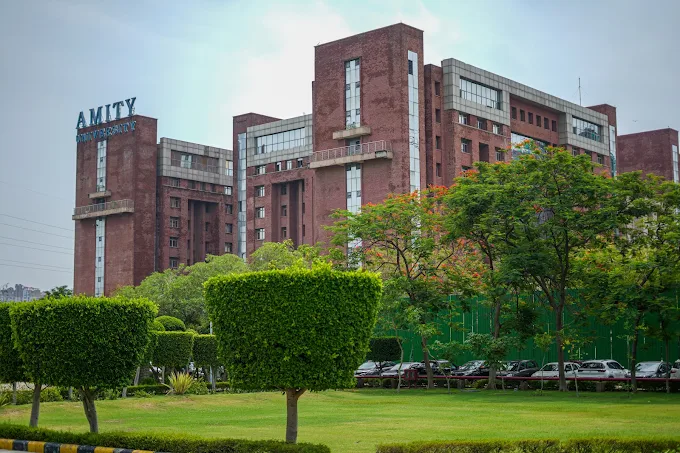
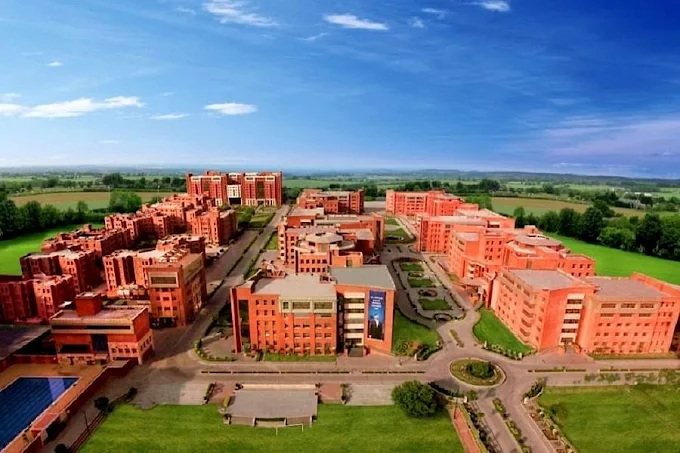
Amity University Noida offers programmes across multiple disciplines, including Engineering, Management, Computer Applications, Law, Biotechnology, Communication, Design, and other fields.
The university provides an academic environment where students can explore subject-specific learning and opportunities to develop professional skills.
Some Important Areas Students Can Explore Include:
Internship Opportunities: Students should explore the internship components and practical training opportunities available under their respective academic programmes.
Industry Interactions: Guest lectures, expert sessions, workshops, and industry-related events can help students understand changing professional requirements.
Research and Project Work: Academic projects and research activities provide opportunities to apply classroom concepts and develop analytical abilities.
Career Development Support: Students can explore placement preparation, career guidance, interview-related activities, and other professional development initiatives through the university.
Academic and Practical Infrastructure: Laboratories, libraries, specialised facilities, and department-level resources can support practical learning across different disciplines.
Students planning to join Amity University Noida in 2027 should review the latest programme-specific information to understand the available internships, practical components, industry collaborations, and career support facilities.
Final Thoughts
A successful career is built through a combination of academic knowledge, practical experience, and continuous skill development. While a university degree provides the foundation, internships, live projects, industry interactions, and professional learning opportunities help students understand how their knowledge can be applied in real workplace situations.
Students should make the most of their college years by participating in internships, developing projects, attending workshops, and improving their communication and problem-solving abilities.
For students considering higher education at Amity University Noida, exploring the practical learning opportunities and industry exposure associated with their chosen programme can help them make a more informed academic decision.
Ultimately, the objective of higher education should not be limited to earning a degree. It should also prepare students with the knowledge, experience, and confidence required to take their next step towards a professional career.