


Science education is changing rapidly.
A few years ago, many students chose B.Sc mainly because they wanted to pursue higher studies, teaching careers, or prepare for government examinations. Today, the expectations from a science degree are very different.
Industries now look for graduates who can combine scientific knowledge with practical skills, data interpretation, research abilities, and technology awareness.
Students increasingly want:
- Practical laboratory exposure
- Research opportunities
- Industry-relevant learning
- Interdisciplinary education
- Technology integration
- Career-focused specializations
- Higher education readiness
This shift is one reason why universities offering modern science education are receiving growing attention from students and parents alike.
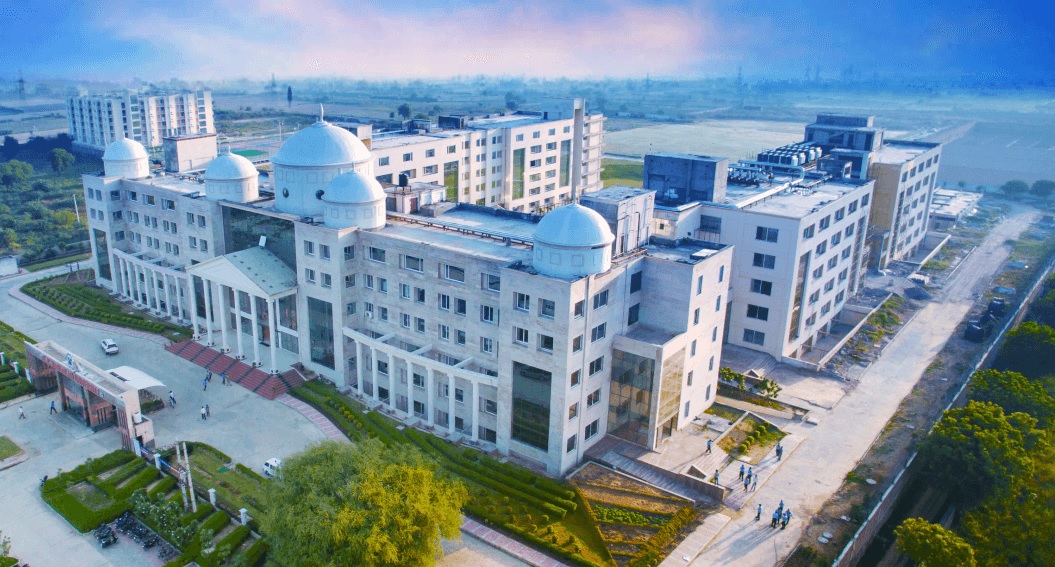
While exploring science programs through educational research platforms like Eduvow, many students come across K.R. Mangalam University, Gurugram because of its multidisciplinary approach, industry-oriented curriculum, and focus on experiential learning.
However, students should understand one important thing before choosing B.Sc.
A science degree alone does not automatically guarantee career success.
The students who usually perform better after graduation are those who actively participate in research projects, laboratory work, internships, certifications, and continuous skill development alongside academics.
The university can provide opportunities, facilities, and guidance.
Your curiosity, discipline, and willingness to learn ultimately determine your success.
Why Science Careers Are Evolving Faster Than Ever
The world is becoming increasingly driven by scientific innovation, technology, healthcare advancements, environmental research, and data-driven decision making.
Earlier, science graduates were primarily associated with careers in:
- Teaching
- Research laboratories
- Government departments
- Academic institutions
Today, science graduates are finding opportunities in:
- Biotechnology
- Data Analytics
- Environmental Science
- Healthcare Research
- Food Technology
- Artificial Intelligence Applications
- Pharmaceutical Industries
- Scientific Consulting
- Sustainability Projects
According to the World Economic Forum Future of Jobs Report 2025, analytical thinking, scientific reasoning, problem-solving, technological literacy, and adaptability remain among the most valuable skills employers are seeking globally.
Similarly, LinkedIn Skills on the Rise 2026 highlights increasing demand for analytical skills, research capabilities, data interpretation, and interdisciplinary knowledge across multiple industries.
This changing landscape is making modern B.Sc programs more relevant than many students realize.
What Makes B.Sc at K.R. Mangalam University Different?
One thing students often notice about contemporary science education is that it extends far beyond textbooks and examinations.
According to information available on K.R. Mangalam University, the university focuses on experiential learning, practical exposure, innovation, multidisciplinary education, and research-driven academic development.
Instead of limiting learning to classroom lectures, students are encouraged to engage with:
- Laboratory experiments
- Research projects
- Scientific investigations
- Industry exposure
- Practical applications
- Interdisciplinary learning
This approach is important because scientific careers increasingly require graduates to apply concepts in real-world situations rather than simply memorizing theories.
B.Sc Specializations Students Can Explore
One advantage of pursuing B.Sc from a multidisciplinary university is the availability of diverse specialization pathways.
Based on university information and student research available through educational platforms like Eduvow, students may explore science-focused disciplines such as:
- Biotechnology
- Microbiology
- Forensic Science
- Physics
- Chemistry
- Mathematics
- Environmental Science
- Life Sciences
- Clinical Research-related domains
Different specializations naturally lead to different career opportunities, making it important for students to choose according to their interests and long-term goals.
What Students Actually Learn During B.Sc
The learning experience depends on the specialization selected, but overall students typically build exposure in areas such as:
- Scientific Research Methods
- Laboratory Techniques
- Data Analysis
- Experimental Design
- Scientific Communication
- Environmental Studies
- Biotechnology Applications
- Analytical Techniques
- Statistics
- Problem Solving
- Research Documentation
- Technology-Assisted Learning
Many science programs today also introduce students to software tools, data handling techniques, and digital technologies that support modern scientific work.
And honestly, this matters a lot.
Employers and research organizations increasingly value practical competence alongside academic performance.
Why Research Exposure Matters During B.Sc
One of the biggest misconceptions students have is that research only becomes important during postgraduate studies.
In reality, research exposure during undergraduate education can significantly strengthen future opportunities.
Students who participate in:
- Research projects
- Scientific conferences
- Laboratory investigations
- Academic presentations
- Innovation competitions
often develop stronger analytical and problem-solving abilities.
According to K.R. Mangalam University's academic approach, research and innovation form an important part of student development through various academic activities and practical learning initiatives.
B.Sc Fees at K.R. Mangalam University
Students and parents should always evaluate the financial aspect of higher education carefully.
Science education often involves laboratories, equipment, practical sessions, and research infrastructure that contribute to overall educational costs.
| Fee Component | Approximate Range |
|---|---|
| Annual Tuition Fee | Rs 80,000 - Rs 2,00,000 |
| Total Program Cost | Rs 2.5 lakh - Rs 6 lakh+ |
| Hostel Charges | Additional as applicable |
| Other Charges | Laboratory, examination and university charges may apply |
Students should verify the latest fee structure directly during admission because fees may vary based on specialization and academic year.
Source: KRMU Fee Data
Career Opportunities After B.Sc
Many students assume that B.Sc offers limited career opportunities.
That perception is no longer accurate.
Science graduates today can pursue careers across multiple sectors.
Some common career paths include:
- Research Assistant
- Laboratory Analyst
- Quality Control Executive
- Biotechnology Associate
- Environmental Consultant
- Clinical Research Coordinator
- Scientific Data Analyst
- Healthcare Research Professional
- Science Educator
- Government Research Roles
Students may also pursue higher education such as:
- M.Sc
- MBA
- MCA
- Integrated Research Programs
- Professional Certifications
Expected Salary Range
| Career Stage | Expected Salary |
|---|---|
| Freshers | Rs 3 LPA - Rs 6 LPA |
| Specialized Roles | Rs 5 LPA - Rs 10 LPA+ |
| Research & Industry Professionals | Can grow significantly with experience |
Actual salary outcomes depend on specialization, skills, internships, higher education, and industry demand.
Source: KRMU Placement Data
Campus Exposure Beyond Academics
Science education becomes much more valuable when students engage beyond regular classes.
Activities such as:
- Research competitions
- Science exhibitions
- Innovation challenges
- Technical workshops
- Industry visits
- Skill development programs
- Academic seminars
often help students build confidence and practical understanding.
During educational research conducted through platforms like Eduvow, students frequently highlight the importance of campus exposure, industry interaction, and practical opportunities when evaluating science programs.
Who Should Consider B.Sc at K.R. Mangalam University?
This program can be a suitable option for students who:
- Enjoy science subjects
- Like experimentation and research
- Want practical learning opportunities
- Plan for higher education
- Are interested in scientific careers
- Want multidisciplinary academic exposure
Students expecting instant job success solely because of a degree may be disappointed.
Students willing to build skills consistently often gain much stronger outcomes.
FAQ
Q1. Is B.Sc from K.R. Mangalam University good for future career growth?
Yes, the university offers a modern learning environment with practical exposure, research opportunities, and multidisciplinary education. However, long-term career growth depends heavily on student performance, internships, projects, and continuous skill development.
Q2. What career options are available after B.Sc?
B.Sc graduates can pursue careers in research, biotechnology, laboratories, healthcare, environmental science, quality control, education, analytics, and government sectors. Many students also continue with postgraduate studies for specialized opportunities.
Q3. Is research important during B.Sc?
Absolutely. Research exposure helps students develop analytical thinking, problem-solving abilities, and scientific reasoning. It also strengthens applications for higher education, scholarships, research programs, and specialized career opportunities.
Q4. Does B.Sc provide good opportunities in the future?
Yes. Scientific and analytical skills continue to remain valuable across healthcare, biotechnology, environmental sciences, pharmaceuticals, technology sectors, and research organizations, making science graduates increasingly relevant in modern industries.
Q5. Is practical learning more important than theoretical learning?
Both are important, but employers increasingly prefer candidates who can apply theoretical concepts in real-world situations. Practical laboratory work, projects, and internships often provide a competitive advantage.
Q6. Can B.Sc students pursue government jobs?
Yes. B.Sc graduates can prepare for various government examinations and opportunities across scientific departments, research organizations, public sector units, defense establishments, and administrative services depending on eligibility criteria.
Q7. Is B.Sc suitable for students planning higher studies?
Definitely. B.Sc provides a strong academic foundation for M.Sc, professional certifications, research programs, and interdisciplinary postgraduate education, making it an excellent pathway for long-term academic and professional growth.
Q8. What skills should B.Sc students develop besides academics?
Students should focus on communication skills, scientific writing, data analysis, digital tools, research methodologies, teamwork, and problem-solving abilities because these competencies significantly improve employability and career prospects.
Q9. How important are internships during B.Sc?
Internships provide practical exposure to industry environments, laboratory operations, research methodologies, and workplace expectations. They often help students gain valuable experience before entering the job market.
Q10. Is K.R. Mangalam University a good choice for science students?
Students seeking practical learning, multidisciplinary education, research exposure, and modern academic infrastructure may find K.R. Mangalam University a suitable option. Individual success, however, always depends on active participation and skill development.
Final Thoughts
B.Sc from K.R. Mangalam University, Gurugram is not simply a traditional science degree focused only on classroom teaching.
It aims to combine scientific knowledge with practical learning, research exposure, innovation, and career-oriented development.
The university can provide:
- Laboratory Exposure
- Research Opportunities
- Industry Interaction
- Multidisciplinary Learning
- Academic Support
- Skill Development Opportunities
But your future success will largely depend on:
- Curiosity
- Research Interest
- Practical Skills
- Consistency
- Internships
- Continuous Learning
If you genuinely enjoy science, experimentation, problem-solving, and discovering how things work, B.Sc can become a strong foundation for a wide range of modern careers and future academic opportunities.