


The healthcare industry is transforming at an unprecedented pace.
A decade ago, nursing was primarily viewed as a profession centered around bedside patient care and hospital support. While compassionate patient care continues to remain the foundation of nursing, today's healthcare professionals are expected to contribute much more. Modern nurses participate in clinical decision-making, preventive healthcare, digital health management, emergency response, research, patient education, rehabilitation, and multidisciplinary healthcare teams.
Advancements in medical technology, aging populations, increasing awareness of preventive healthcare, and the rapid adoption of digital health systems have significantly expanded the responsibilities of nursing professionals across the world.
As a result, students choosing a Bachelor of Science in Nursing (B.Sc Nursing) should evaluate institutions not only based on academic reputation but also on clinical exposure, hospital training, laboratory infrastructure, simulation-based learning, faculty expertise, research opportunities, and career development support.
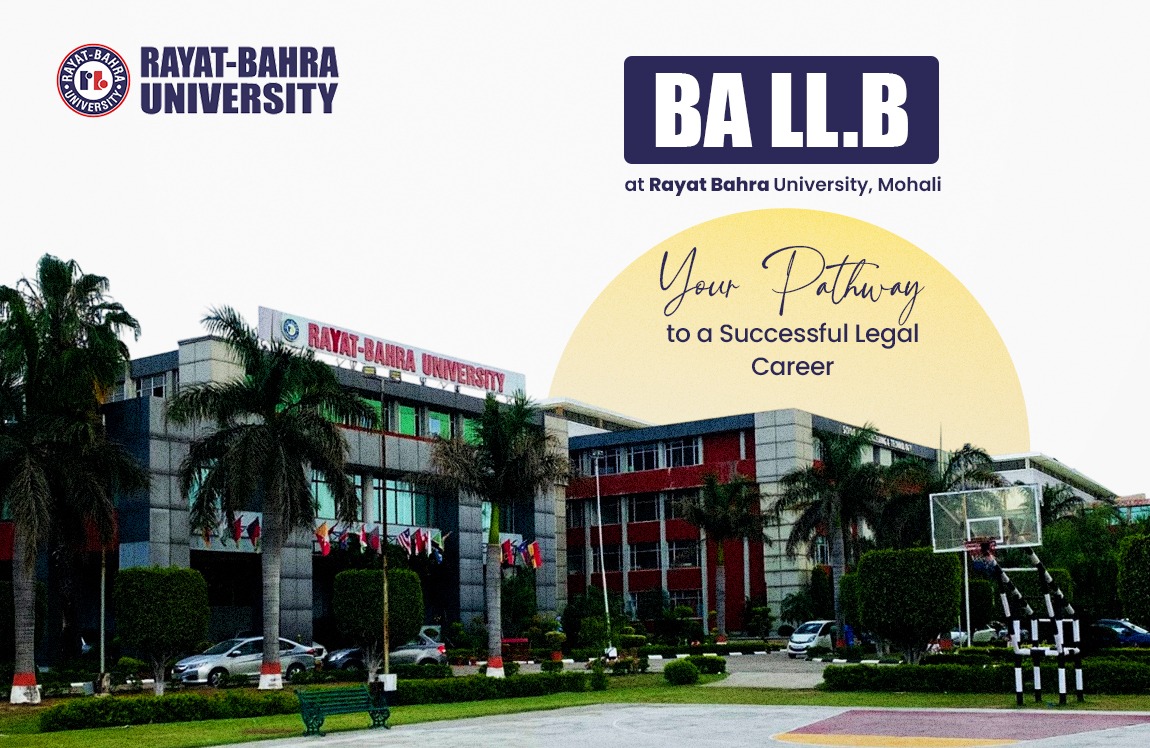
If you have been searching for nursing colleges in North India, there is a strong possibility that Rayat Bahra University (RBU) has appeared during your research.
According to information available through the official RBU website and educational platforms such as Eduvow, the university focuses on practical healthcare education through modern laboratories, clinical training, experienced faculty, research-oriented learning, and industry exposure. These initiatives are intended to help students build both professional competence and confidence before entering healthcare environments.
However, students should understand one important fact before choosing any nursing program.
A nursing degree alone does not guarantee professional success.
The nurses who build rewarding careers are those who continuously strengthen their clinical knowledge, communication skills, ethical values, empathy, critical thinking, leadership abilities, and willingness to learn throughout their professional lives.
The university can provide laboratories, clinical exposure, experienced faculty, infrastructure, and learning opportunities.
Your dedication toward patient care, discipline, compassion, professionalism, and continuous learning ultimately determine your success in healthcare.
Why Nursing Careers Are Changing Rapidly
The healthcare sector has undergone remarkable transformation over the past decade.
Hospitals are increasingly adopting electronic health records, artificial intelligence-assisted diagnostics, telemedicine platforms, robotic surgeries, wearable health devices, digital patient monitoring systems, and evidence-based clinical practices.
Consequently, modern nurses are expected to understand both patient care and healthcare technology while working collaboratively with physicians, therapists, pharmacists, and healthcare administrators.
Healthcare organizations today increasingly look for professionals who possess:
- Clinical Competency
- Critical Thinking
- Patient Communication Skills
- Digital Health Literacy
- Leadership Abilities
- Problem-Solving Skills
- Team Collaboration
- Ethical Decision-Making
- Adaptability
- Compassionate Patient Care
According to the World Economic Forum's Future of Jobs Report 2025, analytical thinking, resilience, technology literacy, leadership, adaptability, and lifelong learning are among the fastest-growing workplace capabilities across industries, including healthcare.
Similarly, the LinkedIn Skills on the Rise 2026 report highlights increasing employer demand for communication, collaboration, leadership, digital literacy, problem-solving, and patient-centered service skills-qualities that have become equally important for modern nursing professionals.
These global trends clearly indicate that nursing education today extends far beyond textbooks. Students must continuously develop both technical healthcare knowledge and interpersonal skills throughout their academic journey.
Why Choose B.Sc Nursing at Rayat Bahra University?
One of the distinguishing aspects of the B.Sc Nursing program at Rayat Bahra University is its emphasis on integrating classroom education with extensive practical and clinical learning.
According to information available through Rayat Bahra University and educational resources including Eduvow, students receive opportunities to strengthen their knowledge through laboratory sessions, simulation-based learning, clinical postings, hospital exposure, research activities, workshops, and professional development programs.
The university focuses on helping students understand healthcare from both scientific and human perspectives by encouraging practical learning alongside academic excellence.
Major academic highlights include:
- Industry-Oriented Curriculum
- Clinical Skill Development
- Simulation Laboratories
- Hospital-Based Training
- Research-Oriented Learning
- Experienced Faculty Guidance
- Community Healthcare Exposure
- Professional Ethics
- Patient Safety Practices
- Communication Skill Development
This balanced approach helps students gradually transition from theoretical learning to real healthcare environments while improving confidence before entering professional practice.
What Students Learn During the B.Sc Nursing Program
The B.Sc Nursing curriculum combines biological sciences, clinical medicine, patient care, psychology, communication, community health, and evidence-based nursing practices.
During the program, students generally gain knowledge in areas such as:
- Anatomy and Physiology
- Biochemistry
- Nutrition and Dietetics
- Microbiology
- Psychology
- Sociology
- Pharmacology
- Pathology
- Medical-Surgical Nursing
- Child Health Nursing
- Mental Health Nursing
- Obstetrics and Gynecological Nursing
- Community Health Nursing
- Nursing Research
- Nursing Education
- Healthcare Management
- Professional Ethics
- First Aid and Emergency Care
Practical learning is equally important throughout the program. Students spend significant time in laboratories, simulation centers, hospitals, and community healthcare settings where they learn clinical procedures, patient assessment, medication administration, infection control, emergency response, documentation, and patient communication under professional supervision.
Clinical Training: The Foundation of Nursing Education
Unlike many undergraduate programs, nursing education places substantial emphasis on clinical practice because healthcare professionals learn most effectively by applying theoretical concepts in real patient-care environments.
Clinical postings expose students to various departments such as:
- General Medicine
- General Surgery
- Pediatrics
- Obstetrics and Gynecology
- Psychiatry
- Orthopedics
- Critical Care Units
- Emergency Departments
- Community Health Centers
These experiences help students understand patient assessment, treatment planning, nursing interventions, teamwork, documentation, infection prevention, and ethical decision-making while working alongside experienced healthcare professionals.
Modern Nursing Skills Beyond Patient Care
The role of nurses has expanded considerably in recent years. Modern healthcare professionals are expected to contribute not only to bedside care but also to healthcare planning, digital documentation, patient education, public health initiatives, and interdisciplinary clinical decision-making.
Healthcare organizations increasingly seek nurses who can combine clinical competence with leadership, communication, technology, and evidence-based practice.
Students pursuing B.Sc Nursing should therefore focus on developing skills such as:
- Clinical Assessment
- Critical Thinking
- Patient Counseling
- Electronic Health Record (EHR) Management
- Healthcare Documentation
- Emergency Response
- Medication Administration
- Leadership and Teamwork
- Ethical Decision-Making
- Evidence-Based Nursing Practice
These competencies help nursing graduates adapt to diverse healthcare environments while improving patient outcomes and professional effectiveness.
Technology Is Transforming Nursing Practice
Healthcare has become increasingly technology-driven. Nurses today work with digital patient records, remote monitoring systems, telemedicine platforms, smart medical devices, artificial intelligence-assisted diagnostics, and electronic medication management systems.
India is also witnessing rapid digital transformation in healthcare through initiatives such as the Ayushman Bharat Digital Mission (ABDM), which aims to strengthen digital health infrastructure and improve healthcare accessibility across the country.
Students who become comfortable using healthcare technologies during their academic journey are often better prepared for modern clinical environments.
According to the World Health Organization (WHO), digital health technologies are increasingly supporting healthcare delivery, improving patient safety, strengthening disease surveillance, and expanding access to quality healthcare services worldwide.
Research and Evidence-Based Nursing
Research has become an integral component of modern nursing education.
Healthcare professionals increasingly rely on scientific evidence to improve patient care, reduce medical errors, enhance treatment outcomes, and implement best clinical practices.
According to information available through Rayat Bahra University, students are encouraged to develop research awareness through academic projects, seminars, case studies, presentations, and evidence-based learning activities.
Developing research skills helps future nurses evaluate healthcare practices critically while contributing to continuous quality improvement within hospitals and community healthcare organizations.
Community Healthcare and Public Health
Nursing professionals play a significant role not only inside hospitals but also within communities.
Community health nursing enables students to understand preventive healthcare, maternal and child health, immunization programs, nutrition awareness, health education, communicable disease prevention, and rural healthcare delivery.
These experiences help students appreciate healthcare from a broader public health perspective while developing empathy and social responsibility.
According to the World Health Organization, strengthening primary healthcare systems and preventive healthcare remains one of the most effective approaches to improving global health outcomes.
Industry Exposure and Internship Opportunities
Clinical exposure forms one of the most valuable aspects of nursing education because students gain confidence through supervised patient care experiences.
According to information available through Rayat Bahra University and educational platforms like Eduvow, students receive opportunities to complement classroom learning through clinical postings, internships, workshops, simulation training, healthcare seminars, and community outreach programs.
Students may participate in activities such as:
- Hospital Clinical Rotations
- Community Health Visits
- Medical Camps
- Health Awareness Programs
- Emergency Care Training
- Clinical Skill Workshops
- Patient Counseling Activities
- Healthcare Research Projects
- Professional Development Programs
- Healthcare Seminars
Such experiences help students understand hospital workflows, multidisciplinary teamwork, patient communication, clinical ethics, infection prevention protocols, and professional responsibilities before graduation.
Professional Certifications That Complement a Nursing Degree
Many nursing students further strengthen their professional profiles by pursuing additional certifications during or after their undergraduate studies.
Some popular certification areas include:
- Basic Life Support (BLS)
- Advanced Cardiac Life Support (ACLS)
- Emergency Nursing
- Critical Care Nursing
- Neonatal Nursing
- Infection Prevention and Control
- Healthcare Quality Management
- Palliative Care
- Patient Safety
- Clinical Research
These certifications often improve practical competence while helping graduates become more competitive in the healthcare job market.
Fee Structure for B.Sc Nursing
Students and parents should always evaluate the financial investment involved in higher education before making admission decisions.
| Fee Component | Details |
|---|---|
| Program Duration | 4 Years |
| Annual Tuition Fee | Rs90,000-Rs1,20,000 |
| Total Program Fee | Rs5,80,000-Rs6,60,000 |
| Hostel Charges | Additional depending on accommodation selected |
| Other Charges | Laboratory, examination, registration, clinical training, and student activity fees may apply |
Source: Students should always verify the latest fee structure directly through the Rayat Bahra University Official Website before admission.
Placement Preparation and Career Development
Professional success in nursing depends upon much more than academic performance. Healthcare employers increasingly value graduates who possess clinical competence, communication skills, ethical professionalism, teamwork, adaptability, and patient-centered care.
Rayat Bahra University focuses on improving students' professional readiness through clinical training, practical learning, personality development, communication enhancement, and career guidance initiatives.
| Career Development Area | Student Benefit |
|---|---|
| Clinical Skill Training | Hands-on patient care and practical competency |
| Hospital Internships | Real-world healthcare exposure |
| Communication Skills | Professional interaction with patients and healthcare teams |
| Simulation Laboratory Training | Practice in controlled clinical environments |
| Interview Preparation | Campus recruitment readiness |
| Resume Building | Professional profile development |
| Soft Skills Development | Leadership, teamwork, empathy, and professionalism |
Placement outcomes ultimately depend upon clinical competence, internship performance, communication abilities, professional ethics, continuous learning, and overall workplace readiness.
Career Opportunities After B.Sc Nursing
The demand for qualified nursing professionals continues to grow across hospitals, healthcare organizations, research institutions, rehabilitation centers, and community healthcare services.
| Career Sector | Potential Roles |
|---|---|
| Hospitals | Registered Nurse, Staff Nurse |
| Critical Care | ICU Nurse, Emergency Nurse |
| Community Healthcare | Community Health Nurse |
| Maternal & Child Health | Obstetric Nurse, Pediatric Nurse |
| Mental Health | Psychiatric Nurse |
| Clinical Research | Clinical Research Coordinator |
| Medical Education | Nursing Tutor (after required qualifications) |
| Government Healthcare | Staff Nurse, Public Health Nurse* |
| NGOs & Public Health | Health Program Coordinator |
| International Healthcare | Registered Nurse (subject to country-specific licensing requirements) |
*Subject to eligibility criteria and recruitment notifications.
Higher Education Opportunities After B.Sc Nursing
Completing a B.Sc Nursing degree opens several opportunities for advanced education and specialization. Many graduates choose postgraduate studies to develop expertise in specific clinical or academic fields.
Popular higher education options include:
- M.Sc Nursing
- Master of Public Health (MPH)
- MBA in Hospital & Healthcare Management
- Post Basic B.Sc Nursing
- Clinical Research Programs
- Critical Care Nursing Certifications
- Oncology Nursing
- Neonatal Nursing
- Psychiatric Nursing
- Ph.D. in Nursing
Specialization enables nurses to pursue leadership positions, teaching careers, healthcare administration, advanced clinical practice, research, and international healthcare opportunities.
Campus Life Beyond Academics
Nursing education extends beyond classrooms, laboratories, and hospital postings. Students also participate in activities that contribute to personal growth, leadership, teamwork, and community engagement.
According to information available through Rayat Bahra University, students are encouraged to participate in extracurricular and co-curricular activities that promote holistic development alongside academic excellence.
- Health Awareness Campaigns
- Blood Donation Camps
- Medical Outreach Programs
- Community Health Surveys
- Scientific Conferences
- Nursing Workshops
- Sports Activities
- Cultural Festivals
- Leadership Development Programs
- Professional Healthcare Seminars
Participation in these activities helps students strengthen confidence, communication skills, leadership qualities, teamwork, empathy, and professional ethics-qualities that are highly valued in modern healthcare organizations.
Frequently Asked Questions (FAQs)
Q1. Is B.Sc Nursing from Rayat Bahra University a good choice for healthcare careers?
Yes. The program combines classroom learning, simulation-based education, hospital training, clinical exposure, research opportunities, and professional skill development, helping students prepare for diverse healthcare careers.
Q2. Does RBU provide practical clinical training for nursing students?
Yes. Students receive practical exposure through clinical postings, laboratory sessions, simulation training, hospital visits, community healthcare programs, and supervised internships to strengthen patient-care competencies.
Q3. What skills should B.Sc Nursing students develop during the course?
Students should focus on clinical competence, communication, empathy, leadership, teamwork, digital healthcare literacy, ethical decision-making, critical thinking, patient safety, and evidence-based nursing practices.
Q4. What career opportunities are available after completing B.Sc Nursing?
Graduates can pursue careers in hospitals, community healthcare, emergency care, critical care units, research organizations, NGOs, government healthcare departments, rehabilitation centers, and international healthcare systems.
Q5. Can nursing graduates pursue higher education after B.Sc Nursing?
Yes. Graduates may continue with M.Sc Nursing, MPH, MBA in Hospital Administration, clinical specialization programs, public health, healthcare management, or doctoral research depending on career goals.
Q6. Is technology becoming important in nursing?
Absolutely. Modern nurses increasingly work with electronic health records, telemedicine, digital monitoring systems, healthcare analytics, and AI-assisted technologies, making digital literacy an essential professional competency.
Q7. Are research skills important for nursing professionals?
Yes. Research enables nurses to evaluate clinical evidence, improve patient outcomes, implement best healthcare practices, and contribute to evidence-based decision-making within hospitals and healthcare organizations.
Q8. Is nursing still a promising career in 2026?
Yes. Growing healthcare demand, aging populations, expanding hospitals, digital healthcare initiatives, and increasing public health awareness continue to create strong career opportunities for qualified nursing professionals.
Q9. Can B.Sc Nursing graduates work abroad?
Yes. Many countries recruit qualified nurses. However, graduates must satisfy country-specific licensing examinations, language proficiency requirements, and professional registration regulations before practicing internationally.
Q10. What type of students generally succeed in nursing programs?
Students who demonstrate compassion, discipline, communication skills, emotional resilience, scientific curiosity, teamwork, ethical professionalism, and a commitment to lifelong learning generally perform well in nursing careers.
Final Thoughts
The B.Sc Nursing program at Rayat Bahra University is designed to prepare students for one of the world's most respected and socially impactful professions. By integrating classroom education with simulation-based learning, clinical exposure, community healthcare, research, and professional development, the program aims to produce competent nursing professionals capable of serving modern healthcare systems.
According to information available through the Rayat Bahra University and educational resources such as Eduvow, students benefit from an academic environment that emphasizes practical learning, clinical excellence, innovation, research, and holistic personality development.
If you are passionate about serving society, supporting patients through compassionate care, contributing to public health, and building a meaningful healthcare career, pursuing B.Sc Nursing at Rayat Bahra University can provide a strong academic and professional foundation for long-term success.
For More Information: Rayat Bahra University, Mohali