


Biotechnology is rapidly emerging as one of the most transformative fields of the 21st century.
From developing life-saving vaccines and advanced medicines to improving agricultural productivity and creating sustainable industrial solutions, biotechnology is reshaping how societies address some of their biggest challenges.
A decade ago, biotechnology was often viewed as a niche scientific discipline. Today, it has become a critical driver of innovation across healthcare, pharmaceuticals, agriculture, environmental management, food technology, genomics, bioinformatics, and industrial research.
As governments and industries worldwide increase investments in biotechnology, organizations are actively seeking professionals who can combine biological sciences with engineering principles, data analysis, research methodologies, and technological innovation.
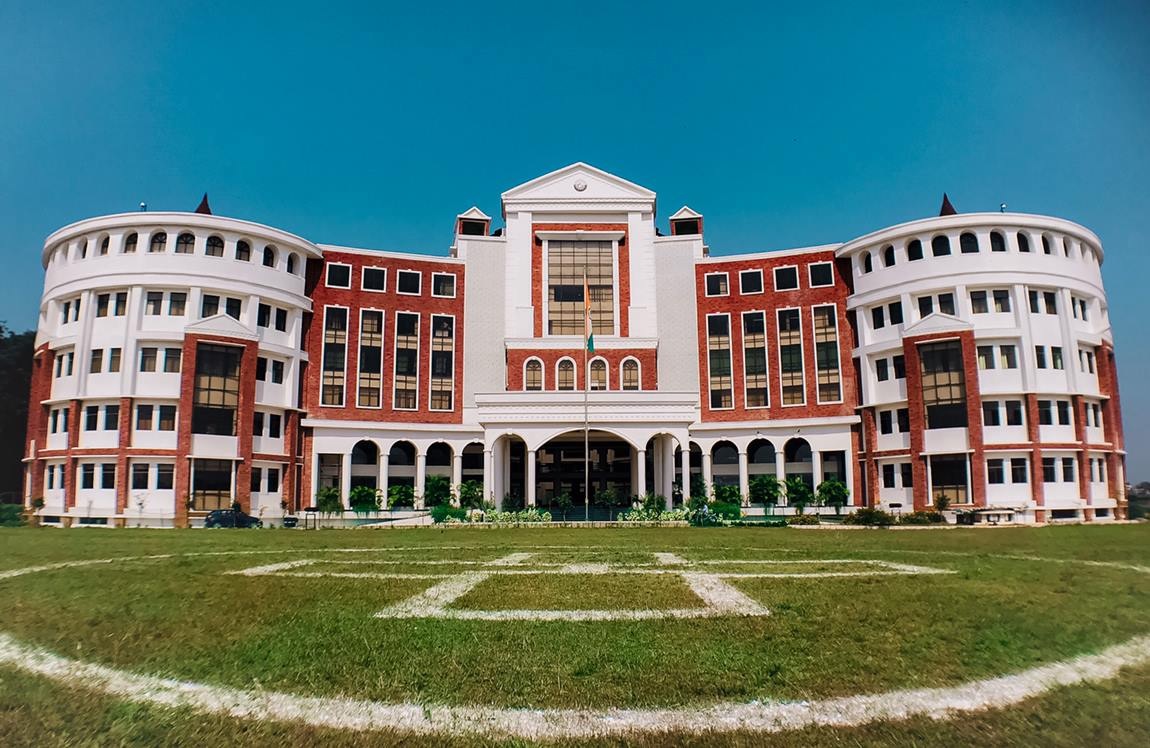
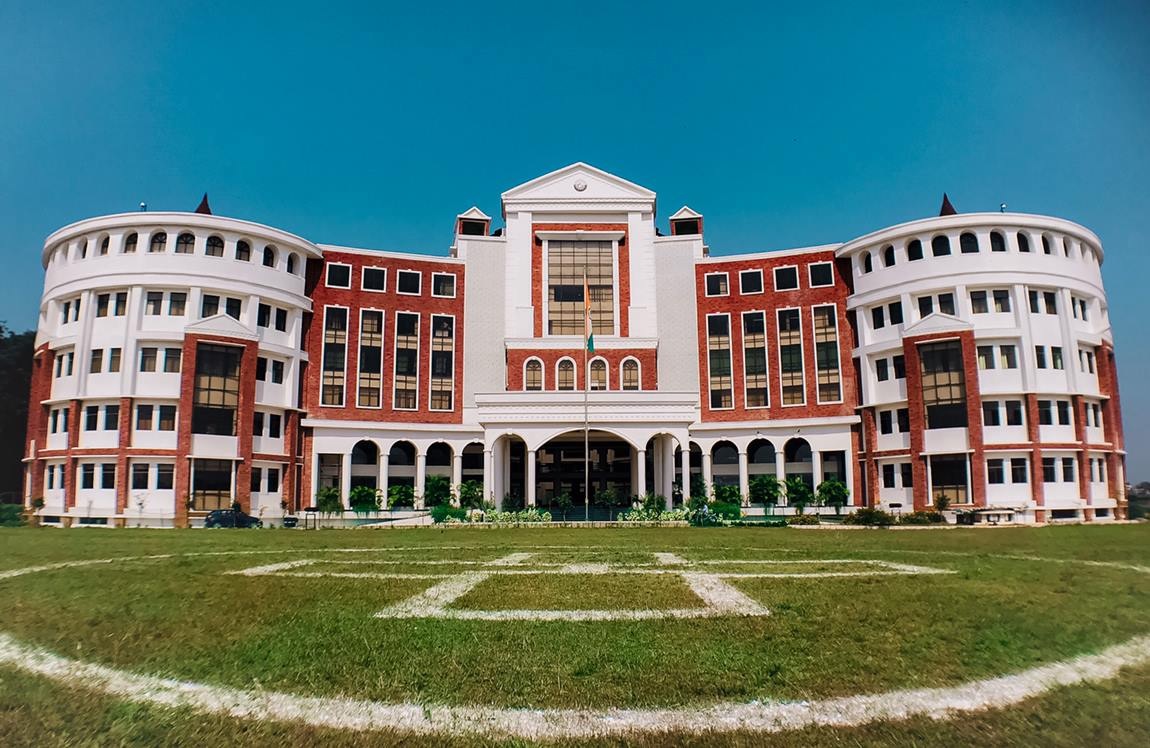
If you are exploring biotechnology programs in North India, there is a strong possibility that Graphic Era University, Dehradun has appeared in your search.
According to information available on the official Graphic Era University website and educational platforms such as Eduvow, the university's B.Tech Biotechnology program focuses on developing scientific knowledge, laboratory skills, research capabilities, industry exposure, and innovation-oriented learning to prepare students for emerging opportunities in life sciences and biotechnology industries.
However, students should understand something important before choosing biotechnology.
A biotechnology degree alone does not guarantee a successful career.
The students who often perform best in research organizations, biotech companies, healthcare industries, and higher education programs are those who actively participate in laboratory work, research projects, internships, scientific competitions, and continuous skill development.
The university can provide infrastructure, laboratories, mentorship, and opportunities.
Your curiosity, research mindset, technical skills, and willingness to learn will ultimately shape your professional journey.
Why Biotechnology Is Becoming One of the Most Important Industries of the Future
The global biotechnology sector is expanding rapidly due to advancements in healthcare, genomics, personalized medicine, artificial intelligence, and sustainable technologies.
Organizations today are investing heavily in:
- Genomics and Genetic Engineering
- Personalized Medicine
- Bioinformatics
- Drug Discovery
- Vaccine Development
- Synthetic Biology
- Agricultural Biotechnology
- Industrial Biotechnology
- Environmental Biotechnology
- Healthcare Innovation
According to the World Economic Forum Future of Jobs Report 2025, analytical thinking, scientific problem-solving, technological literacy, innovation, and interdisciplinary expertise are among the fastest-growing capabilities required across future industries.
The LinkedIn Skills on the Rise 2026 Report also highlights increasing demand for data analysis, research skills, technology integration, AI literacy, and scientific problem-solving.
These trends are directly influencing biotechnology careers and creating opportunities for graduates who possess both scientific expertise and technical competencies.
What Makes B.Tech Biotechnology at Graphic Era University Different?
One of the distinguishing aspects of the B.Tech Biotechnology program at Graphic Era University is its focus on combining biological sciences with modern technological applications.
According to the official program information available through Graphic Era University, students receive exposure to biotechnology concepts while developing practical laboratory and research skills.
The program aims to help students understand biological systems while applying engineering principles to solve real-world challenges.
Students may gain exposure to:
- Molecular Biology
- Genetic Engineering
- Microbiology
- Bioprocess Engineering
- Bioinformatics
- Cell Biology
- Industrial Biotechnology
- Immunology
- Biochemistry
- Biomedical Applications
This interdisciplinary approach helps prepare students for careers in both scientific and industrial environments.
What Students Learn During the B.Tech Biotechnology Program
Biotechnology education extends beyond textbooks and theoretical learning.
Students typically engage with scientific concepts through laboratory experiments, research projects, data analysis, and practical applications.
Key areas of study often include:
- Cell and Molecular Biology
- Genetics
- Biochemistry
- Microbiology
- Genetic Engineering
- Bioinformatics
- Bioprocess Technology
- Immunotechnology
- Recombinant DNA Technology
- Systems Biology
- Pharmaceutical Biotechnology
- Environmental Biotechnology
- Research Methodology
- Biostatistics
These subjects help students develop scientific reasoning, laboratory competencies, analytical skills, and research capabilities.
Laboratories and Research-Oriented Learning
Practical learning is one of the most important components of biotechnology education.
According to Graphic Era University's program information, students receive opportunities to engage in laboratory-based learning that complements classroom education.
Research-oriented education helps students understand how scientific discoveries move from laboratories to real-world applications.
Laboratory exposure often strengthens:
- Experimental Design Skills
- Scientific Observation
- Data Interpretation
- Research Methodology
- Technical Competency
- Problem-Solving Ability
Artificial Intelligence and the Future of Biotechnology
The future of biotechnology is increasingly linked with artificial intelligence and data science.
Today, AI is being used to accelerate drug discovery, predict protein structures, analyze genomic data, improve diagnostics, and optimize research processes.
Companies such as DeepMind, Moderna, and leading pharmaceutical organizations are integrating AI into biotechnology workflows.
This evolution means biotechnology graduates who understand both biological sciences and emerging technologies may have stronger opportunities in future research and innovation ecosystems.
As biotechnology becomes more data-driven, fields such as bioinformatics and computational biology are expected to gain even greater importance.
B.Tech Biotechnology Fees at Graphic Era University
Students should carefully evaluate educational investment before selecting a program.
| Fee Component | Approximate Details |
|---|---|
| Tuition Fee (Per Year) | Rs90,000 - Rs1.8 Lakh |
| Total Program Duration | 4 Years |
| Hostel Charges | Additional depending on accommodation selected |
| Other Charges | Examination, registration, laboratory, and activity fees may apply |
Source: Students should refer to the official Graphic Era University Biotechnology Fee Structure for the latest fee information.
Industry Exposure, Internships, and Skill Development
Biotechnology employers increasingly seek candidates who possess practical experience alongside academic qualifications.
Students are encouraged to participate in:
- Research Projects
- Scientific Workshops
- Laboratory Training
- Industrial Visits
- Internships
- Research Conferences
- Biotechnology Competitions
- Innovation Activities
Educational research referenced through Eduvow indicates that employers increasingly value practical laboratory experience, research exposure, and problem-solving capabilities alongside academic performance.
Placement Support and Career Development
Career outcomes in biotechnology are influenced by research skills, laboratory expertise, internships, certifications, and industry readiness.
| Career Development Area | Focus |
|---|---|
| Research Exposure | Scientific investigations and project participation |
| Internship Support | Practical industry and laboratory experience |
| Skill Development | Technical and professional competency enhancement |
| Industry Interaction | Workshops, seminars, and expert sessions |
| Higher Education Preparation | Research and postgraduate opportunities |
| Career Guidance | Professional development and employability support |
Source: Graphic Era University Placement Data and Eduvow educational research.
Career Opportunities After B.Tech Biotechnology
Biotechnology graduates can explore opportunities across multiple industries.
- Biotechnology Companies
- Pharmaceutical Industry
- Healthcare Research
- Genomics Research
- Bioinformatics
- Drug Development
- Agricultural Biotechnology
- Food Technology
- Environmental Biotechnology
- Clinical Research
- Government Research Organizations
- Entrepreneurship
Many graduates also pursue M.Tech, M.Sc., MBA, Ph.D., or international research opportunities after completing their undergraduate studies.
FAQ
Q1. Is B.Tech Biotechnology from Graphic Era University a good option?
Yes. The program combines biological sciences, laboratory learning, research exposure, and industry-oriented education, helping students prepare for careers in biotechnology and life sciences sectors.
Q2. What makes biotechnology different from traditional engineering branches?
Biotechnology integrates biology, chemistry, genetics, and engineering principles to develop solutions in healthcare, agriculture, pharmaceuticals, and environmental sustainability.
Q3. Does biotechnology have good career opportunities in 2026?
Yes. Growth in healthcare innovation, genomics, bioinformatics, personalized medicine, pharmaceuticals, and AI-driven biological research continues to create new career opportunities.
Q4. What skills should biotechnology students develop?
Students should focus on laboratory techniques, research methodology, data analysis, scientific communication, bioinformatics, critical thinking, and problem-solving abilities.
Q5. Is mathematics important in biotechnology?
Yes. Mathematics supports biostatistics, data interpretation, computational biology, bioinformatics, and research analysis used in modern biotechnology applications.
Q6. Can biotechnology students work in pharmaceutical companies?
Yes. Pharmaceutical organizations frequently recruit biotechnology graduates for research, quality control, production, regulatory affairs, and drug development roles.
Q7. What role does AI play in biotechnology?
AI assists in drug discovery, genomics, diagnostics, protein analysis, research automation, and biological data interpretation, making it increasingly valuable in biotechnology careers.
Q8. Are internships important during biotechnology studies?
Yes. Internships provide practical exposure, industry understanding, laboratory experience, networking opportunities, and valuable insights into professional biotechnology environments.
Q9. Can biotechnology graduates pursue higher studies?
Absolutely. Many graduates continue with M.Tech, M.Sc., MBA, Ph.D., or specialized international programs in biotechnology and life sciences.
Q10. What type of students usually succeed in biotechnology?
Students who are curious, research-oriented, analytical, disciplined, and enthusiastic about scientific discovery generally perform well in biotechnology programs.
Final Thoughts
B.Tech Biotechnology at Graphic Era University, Dehradun is more than a traditional engineering degree.
The program combines biology, technology, research, innovation, and practical learning to prepare students for emerging opportunities in life sciences and biotechnology industries.
However, success in biotechnology depends heavily on how effectively students utilize research opportunities, laboratory exposure, internships, and continuous skill development.
If you are passionate about scientific discovery, healthcare innovation, genetic technologies, and solving real-world biological challenges, B.Tech Biotechnology from Graphic Era University can provide a strong foundation for a rewarding future.
For more information: Graphic Era University, Dehradun