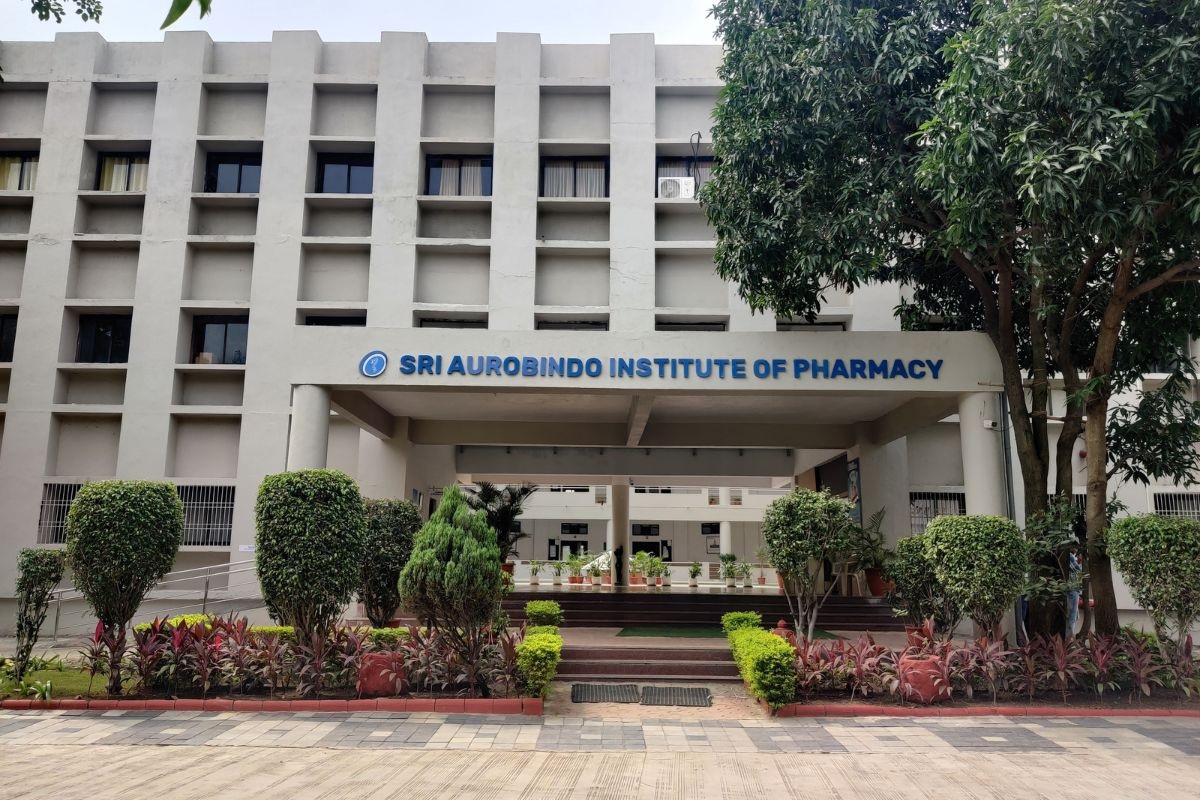



The pharmacy profession is undergoing a remarkable transformation.
Earlier, pharmacists were primarily associated with dispensing medicines and maintaining pharmacy inventories. Today, however, their responsibilities extend far beyond medicine distribution. Modern pharmacists actively participate in patient counselling, medication therapy management, clinical pharmacy, pharmacovigilance, regulatory affairs, pharmaceutical manufacturing, healthcare technology, and public health initiatives.
The rapid growth of digital healthcare, artificial intelligence, biotechnology, personalized medicine, and pharmaceutical research has significantly increased the demand for professionals who possess both scientific knowledge and practical healthcare skills.
As a result, students planning to pursue a Diploma in Pharmacy (D.Pharm) should evaluate institutions not only on academic reputation but also on laboratory infrastructure, practical training, industry exposure, hospital connectivity, faculty expertise, and career development opportunities.
If you have been exploring pharmacy colleges in Central India, there is a strong possibility that Sri Aurobindo Group of Institutes (SAGI), Indore has appeared during your research.
According to information available through the official Sri Aurobindo Group of Institutes website and educational platforms such as Eduvow, the institution focuses on practical healthcare education, modern pharmaceutical laboratories, research-oriented learning, hospital exposure, innovation, and industry-oriented skill development. These initiatives help students prepare for careers across hospitals, retail pharmacy, pharmaceutical manufacturing, and healthcare services.
However, students should understand one important fact before choosing a pharmacy program.
A diploma alone does not guarantee professional success.
The pharmacy professionals who build rewarding careers are those who continuously improve their scientific knowledge, communication skills, ethical practices, patient counselling abilities, digital literacy, and understanding of modern healthcare systems.
The institution can provide laboratories, practical exposure, faculty guidance, internships, and industry interaction.
Your willingness to learn continuously, serve patients responsibly, and adapt to changing healthcare technologies ultimately determines your long-term career success.
Why Pharmacy Careers Are Changing Rapidly
The pharmaceutical and healthcare sectors have evolved dramatically during the past decade.
Healthcare organizations increasingly rely on artificial intelligence, digital prescriptions, electronic health records, automated drug dispensing systems, biotechnology, telemedicine, pharmacogenomics, and data-driven healthcare solutions.
Consequently, pharmacy professionals are now expected to contribute beyond dispensing medicines by supporting medication safety, patient education, healthcare compliance, and multidisciplinary treatment planning.
Today's pharmacy graduates are increasingly expected to develop competencies in:
- Drug Safety
- Clinical Pharmacy
- Patient Counselling
- Pharmacovigilance
- Medication Therapy Management
- Digital Health
- Healthcare Documentation
- Quality Assurance
- Regulatory Compliance
- Professional Communication
According to the World Economic Forum Future of Jobs Report 2025, analytical thinking, resilience, technology literacy, adaptability, problem-solving, and lifelong learning are becoming increasingly important across healthcare professions, including pharmacy.
Similarly, the LinkedIn Skills on the Rise 2026 report identifies communication, collaboration, leadership, digital literacy, AI awareness, and customer service among the fastest-growing workplace skills. These competencies are equally valuable for modern pharmacists working in hospitals, community pharmacies, pharmaceutical companies, and healthcare organizations.
The changing healthcare landscape clearly demonstrates that pharmacy education today extends beyond textbooks and laboratories. Students must continuously develop both technical pharmaceutical knowledge and professional skills throughout their academic journey.
Why Choose D.Pharm at Sri Aurobindo Group of Institutes?
One of the distinguishing features of the Diploma in Pharmacy program at Sri Aurobindo Group of Institutes is its emphasis on integrating classroom learning with practical pharmaceutical education.
According to information available through Sri Aurobindo Group of Institutes and educational resources such as Eduvow, students receive opportunities to strengthen their professional competencies through pharmaceutical laboratories, practical sessions, hospital interaction, industry exposure, workshops, seminars, and project-based learning.
The program is designed to help students understand medicines not only from a scientific perspective but also from the standpoint of patient care, healthcare ethics, and pharmaceutical regulations.
Major academic highlights include:
- Industry-Oriented Curriculum
- Modern Pharmaceutical Laboratories
- Practical Skill Development
- Hospital Exposure
- Research-Based Learning
- Professional Ethics
- Healthcare Communication Skills
- Industry Interaction
- Innovation Activities
- Career Development Programs
This practical approach enables students to confidently transition from classroom learning to professional pharmacy practice.
What Students Learn During the D.Pharm Program
The Diploma in Pharmacy curriculum introduces students to pharmaceutical sciences, healthcare systems, medicine formulation, patient care, and drug regulations.
Students generally study subjects such as:
- Pharmaceutics
- Pharmaceutical Chemistry
- Pharmacology
- Pharmacognosy
- Human Anatomy and Physiology
- Biochemistry
- Hospital and Clinical Pharmacy
- Community Pharmacy
- Pharmaceutical Jurisprudence
- Drug Store Management
- Health Education
- Social Pharmacy
- Pharmaceutical Calculations
- Medication Dispensing
- First Aid
- Patient Counselling
Alongside classroom education, students participate in laboratory practicals involving drug formulation, pharmaceutical analysis, dispensing techniques, prescription interpretation, dosage calculations, quality testing, and medicine storage practices.
The Expanding Role of Pharmacists in Healthcare
Modern pharmacists are increasingly becoming integral members of multidisciplinary healthcare teams.
They contribute to patient safety by reviewing prescriptions, preventing medication errors, counselling patients regarding dosage and side effects, promoting rational drug use, monitoring adverse drug reactions, and supporting healthcare professionals in medication management.
According to the World Health Organization (WHO), pharmacists play an important role in improving medication safety, strengthening public health systems, promoting responsible medicine use, and supporting universal access to quality healthcare services.
As healthcare becomes increasingly patient-centered, communication skills and ethical decision-making have become just as important as pharmaceutical knowledge.
Practical Learning and Laboratory Training
Pharmacy education places considerable emphasis on practical learning because pharmaceutical professionals must understand medicines through hands-on experience.
Students typically gain laboratory exposure involving formulation development, pharmaceutical analysis, prescription handling, quality assurance procedures, dosage preparation, drug identification, and pharmaceutical calculations.
According to standards established by the Pharmacy Council of India (PCI), practical laboratory training forms an essential component of pharmacy education because it strengthens technical competency, accuracy, and professional confidence before students enter healthcare environments.
These practical experiences help bridge the gap between theoretical pharmaceutical sciences and real-world pharmacy practice.
Hospital Training and Clinical Pharmacy Exposure
One of the biggest advantages of pursuing a Diploma in Pharmacy is the opportunity to understand how medicines are used in real healthcare settings. Hospital exposure allows students to observe prescription handling, medicine dispensing, inventory management, patient counselling, and drug information services under professional supervision.
According to information available through Sri Aurobindo Group of Institutes, pharmacy students are encouraged to strengthen their practical competencies through hospital interaction, pharmaceutical laboratories, healthcare training, seminars, workshops, and experiential learning opportunities.
Clinical exposure helps students understand:
- Prescription Analysis
- Medicine Dispensing
- Drug Storage and Inventory
- Patient Counselling
- Medication Safety
- Hospital Pharmacy Operations
- Healthcare Documentation
- Professional Ethics
- Drug Information Services
- Clinical Communication
Such experiences prepare students to work confidently in hospitals, retail pharmacies, pharmaceutical companies, and healthcare organizations.
Digital Healthcare and Pharmacy 4.0
Healthcare is becoming increasingly digital.
Electronic prescriptions, digital patient records, artificial intelligence, telemedicine, automated dispensing systems, wearable health devices, and healthcare analytics are transforming pharmaceutical services worldwide.
Modern pharmacists must therefore understand both medicines and healthcare technologies.
Digital Pharmacy or "Pharmacy 4.0" focuses on integrating pharmaceutical knowledge with technology to improve patient safety, medication adherence, operational efficiency, and healthcare delivery.
Students who become comfortable with digital healthcare tools often gain an advantage during recruitment because hospitals and pharmaceutical organizations increasingly rely on technology-enabled healthcare systems.
Drug Safety, Pharmacovigilance and Regulatory Affairs
Medicines improve millions of lives every year, but every medicine must also be monitored carefully for safety and effectiveness.
This is where pharmacovigilance becomes extremely important.
Pharmacovigilance involves monitoring adverse drug reactions, identifying medicine-related risks, documenting safety information, and improving patient outcomes through continuous drug surveillance.
According to the Central Drugs Standard Control Organization (CDSCO), maintaining drug quality, safety, efficacy, and regulatory compliance remains essential for protecting public health in India.
Students pursuing D.Pharm gradually develop awareness regarding:
- Drug Safety Monitoring
- Adverse Drug Reaction Reporting
- Medicine Quality Assurance
- Drug Regulations
- Prescription Compliance
- Patient Safety Standards
- Pharmaceutical Documentation
- Healthcare Ethics
Knowledge of these areas significantly improves career opportunities within hospitals, pharmaceutical manufacturing companies, regulatory agencies, and clinical research organizations.
Artificial Intelligence and Pharmaceutical Innovation
Artificial Intelligence is rapidly changing pharmaceutical research and healthcare delivery.
AI technologies are increasingly used to accelerate drug discovery, predict disease patterns, optimize medicine development, improve pharmaceutical manufacturing, and support clinical decision-making.
Although D.Pharm primarily focuses on foundational pharmaceutical sciences, students who remain updated with emerging technologies often become more competitive in the evolving healthcare industry.
Healthcare professionals who combine pharmaceutical knowledge with digital skills will likely remain highly valuable throughout the coming decade.
Research and Innovation in Pharmacy
Research has become an integral part of pharmaceutical sciences.
Every new medicine available today has undergone years of scientific research, laboratory testing, clinical evaluation, quality assessment, and regulatory approval before reaching patients.
According to information available through Sri Aurobindo Group of Institutes, the institution encourages innovation, research-oriented learning, scientific thinking, and practical skill development across healthcare disciplines.
Students interested in research careers can gradually develop competencies in:
- Drug Formulation
- Quality Assurance
- Analytical Techniques
- Clinical Research
- Documentation
- Scientific Writing
- Healthcare Innovation
- Pharmaceutical Manufacturing
Research exposure strengthens analytical thinking while preparing students for future academic and professional opportunities.
Fee Structure for D.Pharm
Students should always evaluate the financial investment associated with their education before taking admission. Fee structures may vary according to admission category, scholarships, hostel facilities, and university policies.
| Fee Component | Details |
|---|---|
| Program Duration | 2 Years |
| Annual Tuition Fee | As per latest admission notification |
| Total Program Fee | Varies according to institutional guidelines |
| Hostel Charges | Additional according to accommodation selected |
| Other Charges | Laboratory, examination, registration, uniforms, practical training and student activity fees may apply |
Source: Students should always verify the latest fee details through the Sri Aurobindo Group of Institutes before admission.
Placement Preparation and Career Development
Today's pharmacy employers evaluate candidates based not only on academic performance but also on communication skills, professional ethics, technical competency, patient interaction, digital literacy, and practical experience.
According to information available throughSri Aurobindo Group of Institutes and educational resources like Eduvow, students receive opportunities to strengthen employability through workshops, industrial interaction, practical learning, seminars, personality development programs, internships, and career guidance activities.
| Career Development Area | Student Benefit |
|---|---|
| Laboratory Training | Hands-on pharmaceutical skills |
| Hospital Exposure | Clinical pharmacy understanding |
| Industrial Visits | Knowledge of pharmaceutical manufacturing |
| Professional Workshops | Skill enhancement and industry awareness |
| Communication Training | Patient counselling and workplace communication |
| Internship Support | Real healthcare experience |
| Career Guidance | Placement and higher education preparation |
| Industry Interaction | Exposure to pharmaceutical professionals |
Students who actively participate in internships, laboratory work, workshops, and healthcare training generally become more competitive during recruitment.
Career Opportunities After D.Pharm
A Diploma in Pharmacy opens employment opportunities across several healthcare and pharmaceutical sectors. Career growth depends upon practical skills, continuous learning, professional ethics, and regulatory knowledge.
| Career Sector | Potential Roles |
|---|---|
| Hospital Pharmacy | Hospital Pharmacist* |
| Retail Pharmacy | Community Pharmacist* |
| Pharmaceutical Industry | Production Assistant, Quality Control Executive |
| Drug Distribution | Medical Store Manager |
| Clinical Research | Clinical Trial Assistant |
| Healthcare Organizations | Medicine Management Executive |
| Regulatory Affairs | Documentation Assistant |
| Medical Sales | Pharmaceutical Sales Representative |
| Entrepreneurship | Own Retail Pharmacy* |
| Government Healthcare | Pharmacist (Subject to recruitment rules) |
*Subject to Pharmacy Council registration and applicable government regulations.
Higher Education Opportunities After D.Pharm
Completing a Diploma in Pharmacy provides students with multiple academic progression pathways. Many graduates continue their education to strengthen their technical knowledge, improve career opportunities, and qualify for specialized pharmaceutical roles.
Popular higher education options include:
- Bachelor of Pharmacy (B.Pharm) through lateral entry (where applicable)
- Doctor of Pharmacy (Pharm.D)
- B.Sc. in Clinical Research
- B.Sc. Biotechnology
- Hospital Administration
- Healthcare Management
- Clinical Data Management
- Medical Coding
- Pharmaceutical Quality Assurance Programs
- Regulatory Affairs Certifications
Students interested in pharmaceutical research and higher education can further explore opportunities available through the Pharmacy Council of India (PCI) and leading pharmacy universities across India.
Campus Life Beyond Academics
Professional growth in pharmacy is influenced not only by classroom learning but also by participation in extracurricular activities that develop leadership, teamwork, communication, and confidence.
According to information available through the Sri Aurobindo Group of Institutes, students are encouraged to participate in technical seminars, healthcare awareness campaigns, innovation activities, cultural festivals, sports competitions, personality development programs, and community outreach initiatives that contribute to holistic development.
Students may actively participate in:
- Health Awareness Camps
- Blood Donation Drives
- Medication Awareness Programs
- Scientific Poster Competitions
- Pharmacy Workshops
- Research Seminars
- Industrial Visits
- Innovation Challenges
- Sports Events
- Cultural Festivals
Such experiences strengthen professional confidence while helping students develop interpersonal skills that employers increasingly value across healthcare organizations.
The Future of Pharmacy Belongs to Lifelong Learners
The pharmaceutical industry continues to evolve through artificial intelligence, biotechnology, precision medicine, digital therapeutics, automation, and personalized healthcare.
Healthcare organizations increasingly expect pharmacy professionals to understand medicine safety, digital healthcare platforms, regulatory compliance, patient counselling, and ethical healthcare practices alongside pharmaceutical sciences.
According to the World Economic Forum Future of Jobs Report 2025, adaptability, analytical thinking, technology literacy, resilience, and continuous learning will remain among the most valuable professional capabilities over the coming decade.
Likewise, the LinkedIn Skills on the Rise 2026 report highlights growing demand for communication, collaboration, AI awareness, digital competencies, customer service, and leadership across industries-including healthcare and pharmaceuticals.
Students who continuously upgrade their scientific knowledge while embracing healthcare technologies will be better prepared for future opportunities in hospitals, pharmaceutical companies, clinical research, manufacturing, and public health.
Frequently Asked Questions (FAQs)
Q1. Is D.Pharm from Sri Aurobindo Group of Institutes a good career option?
Yes. The program combines pharmaceutical science with laboratory training, hospital exposure, industry interaction, and professional skill development, helping students prepare for careers across healthcare and pharmaceutical sectors.
Q2. Does the institute provide practical pharmaceutical training?
Yes. Students receive laboratory exposure, dispensing practice, hospital interaction, workshops, seminars, practical demonstrations, and healthcare-oriented learning experiences that strengthen their professional competencies.
Q3. Can D.Pharm students work in hospitals after graduation?
Yes. After fulfilling applicable registration requirements, graduates can pursue opportunities in hospital pharmacies, community pharmacies, healthcare organizations, pharmaceutical industries, and medicine distribution services.
Q4. What skills should pharmacy students develop during the program?
Students should focus on pharmaceutical knowledge, communication, patient counselling, ethics, medicine safety, regulatory awareness, digital literacy, teamwork, analytical thinking, and continuous professional development.
Q5. Is Artificial Intelligence affecting pharmacy careers?
Yes. AI supports drug discovery, medicine development, healthcare analytics, clinical decision-making, pharmacovigilance, and pharmaceutical manufacturing, making technology awareness increasingly valuable for pharmacy professionals.
Q6. Can D.Pharm graduates pursue higher education?
Yes. Students may continue with B.Pharm, Pharm.D, healthcare management, clinical research, biotechnology, regulatory affairs, quality assurance, and several specialized healthcare programs.
Q7. What career opportunities are available after D.Pharm?
Graduates may pursue careers in hospitals, retail pharmacies, pharmaceutical manufacturing, quality assurance, regulatory affairs, clinical research, medical sales, healthcare organizations, and entrepreneurship.
Q8. Why is pharmacovigilance becoming important?
Pharmacovigilance improves patient safety by monitoring adverse drug reactions, ensuring medicine quality, supporting regulatory compliance, and strengthening healthcare systems through continuous medicine surveillance.
Q9. Is communication important for pharmacists?
Yes. Pharmacists regularly interact with patients, doctors, nurses, healthcare teams, and pharmaceutical professionals, making communication and patient counselling essential professional skills.
Q10. What type of students usually succeed in pharmacy?
Students who are disciplined, scientifically curious, ethical, detail-oriented, compassionate, willing to learn continuously, and interested in healthcare generally perform well throughout their pharmacy careers.
Final Thoughts
D.Pharm at Sri Aurobindo Group of Institutes is much more than a diploma focused on medicines. It is a healthcare-oriented program designed to prepare students for the rapidly evolving pharmaceutical industry through scientific education, laboratory training, hospital exposure, practical learning, and professional skill development.
According to information available through the Sri Aurobindo Group of Institutes and educational resources such as Eduvow, students benefit from an academic environment that emphasizes practical pharmaceutical education, healthcare ethics, innovation, and career readiness.
As healthcare continues to adopt artificial intelligence, digital health technologies, biotechnology, precision medicine, and patient-centered care, pharmacy professionals who continuously upgrade their technical knowledge and interpersonal skills will remain highly valuable.
If you are passionate about healthcare, medicines, patient welfare, scientific learning, and contributing to safer healthcare systems, pursuing D.Pharm at Sri Aurobindo Group of Institutes can provide a strong foundation for a rewarding and meaningful professional career.
For More Information: Sri Aurobindo Group of Institutes