


Introduction
Choosing engineering as a career is an important decision for students, but earning an engineering degree alone may not be enough to prepare them for the professional world. As industries continue to adopt new technologies, employers are increasingly looking for graduates who can apply their academic knowledge to real-world challenges.
In 2027, engineering students will need more than theoretical understanding of subjects such as Computer Science, Mechanical Engineering, Civil Engineering, and Electronics. Practical knowledge, technical skills, problem-solving abilities, internships, and industry exposure are becoming equally important for building a successful career.
Students must understand how concepts learned in classrooms are used in actual workplaces. Whether it is developing software, designing machines, working with artificial intelligence, or managing technical projects, practical experience can help graduates become more confident and career-ready.
So, what should engineering students focus on beyond their degree? Understanding the importance of practical learning and industry exposure can help them make better decisions throughout their academic journey.
1. Why an Engineering Degree Alone May Not Be Enough
Engineering education provides students with the technical foundation required to understand different engineering disciplines. However, professional responsibilities often involve applying this knowledge to situations that may not always be covered in textbooks.
For example, a computer science student may understand programming concepts but still need experience in developing complete applications. Similarly, mechanical engineering students may study machine design but also need practical exposure to manufacturing processes and modern equipment.
Some Important Skills Employers Look For Include:
- Technical knowledge related to the chosen engineering field.
- Practical problem-solving abilities.
- Programming and software proficiency where relevant.
- Communication and teamwork.
- Project management and analytical thinking.
- Adaptability to new technologies.
Developing these skills alongside academic qualifications can help students understand workplace expectations and prepare for different professional opportunities.
2. The Importance of Practical Learning in Engineering
Practical learning allows students to apply classroom concepts through experiments, laboratory activities, technical assignments, and real-world projects.
Instead of only understanding how a system works theoretically, students get opportunities to observe, test, develop, and improve it.
Some Examples of Practical Learning Include:
Computer Science Engineering: Developing websites, mobile applications, software systems, and basic AI-based projects.
Mechanical Engineering: Working with machines, manufacturing processes, CAD software, and product design.
Civil Engineering: Understanding construction methods, structural design, surveying, and project planning.
Electronics and Communication Engineering: Working with electronic circuits, embedded systems, robotics, and communication technologies.
Electrical Engineering: Exploring electrical machines, power systems, automation, and renewable energy technologies.
These activities help students understand how engineering principles are applied across different industries.
3. Learning Emerging Technologies for Future Careers
Technology continues to influence engineering careers, and students need to stay updated with developments in their respective fields.
Artificial Intelligence, Machine Learning, Robotics, Cloud Computing, Cybersecurity, and the Internet of Things are creating new applications across industries.
Engineering students can explore these technologies through additional courses, workshops, practical assignments, and specialised projects.
Some Emerging Technology Areas Worth Exploring Include:
- Artificial Intelligence and Machine Learning: Developing intelligent systems and exploring automated applications.
- Data Science: Understanding data analysis, visualisation, and decision-making.
- Cybersecurity: Learning how to protect digital systems, networks, and information.
- Internet of Things (IoT): Connecting physical devices through digital technologies.
- Robotics and Automation: Understanding automated machines and industrial applications.
- Cloud Computing: Learning about cloud infrastructure, storage, and computing services.
Students should choose technologies that complement their academic background and career interests rather than trying to learn everything at once.
4. Why Internships and Industry Exposure Matter
Internships provide engineering students with an opportunity to understand how professional organisations operate. They also help students experience workplace responsibilities before entering full-time employment.
During an internship, students may work with experienced professionals, participate in projects, understand industry tools, and learn how teams handle technical challenges.
Benefits of Industry Exposure Include:
- Understanding professional work environments.
- Applying academic knowledge to practical situations.
- Learning industry-relevant tools and technologies.
- Improving communication and teamwork.
- Building professional connections.
- Understanding employer expectations.
Students should begin exploring internship opportunities during their academic years rather than waiting until graduation.
Even short-term internships, industrial visits, technical workshops, and collaborative projects can provide useful insights into professional life.
5. Building Projects and Creating a Strong Technical Portfolio
One of the best ways to demonstrate technical abilities is through practical projects. A project gives students an opportunity to show how they identify a problem, develop a solution, and apply their knowledge.
For fresh engineering graduates, projects can also become useful additions to their resumes and professional portfolios.
Some Project Ideas for Engineering Students Include:
- Developing a mobile application or website.
- Creating an AI-based chatbot.
- Designing a smart home automation system.
- Building a basic robotics project.
- Developing a data analysis dashboard.
- Creating a renewable energy monitoring system.
- Designing a prototype using CAD software.
Students can also participate in hackathons, coding competitions, innovation challenges, and technical exhibitions.
A well-documented project portfolio can help students explain their capabilities during placement interviews and demonstrate their interest in continuous learning.
6. Developing Soft Skills Alongside Technical Knowledge
Engineering careers are not limited to technical work. Professionals frequently communicate with clients, coordinate with colleagues, present ideas, and collaborate with teams from different departments.
This makes soft skills an important part of professional development.
Some Essential Soft Skills Include:
Communication: Explaining technical ideas clearly through presentations, reports, and discussions.
Teamwork: Collaborating with others to complete projects and solve problems.
Critical Thinking: Analysing situations and identifying effective solutions.
Time Management: Managing assignments, projects, internships, and deadlines.
Adaptability: Learning new technologies and adjusting to changing industry requirements.
Students can develop these abilities through group assignments, presentations, technical events, student clubs, and extracurricular activities.
7. How Engineering Students Can Prepare for Placements in 2027
Placement preparation should begin well before the final semester. Students who consistently work on their technical and professional skills may find it easier to approach recruitment processes with confidence.
Consider These Steps for Better Placement Preparation:
- Strengthen the fundamentals of your engineering discipline.
- Learn programming languages or technical software relevant to your field.
- Practise aptitude and logical reasoning questions.
- Work on individual and team-based projects.
- Complete internships and relevant certifications.
- Prepare a professional resume highlighting skills and achievements.
- Practise technical and HR interview questions.
- Improve communication and presentation skills.
Students should also research companies, understand job descriptions, and identify the skills commonly required for their preferred roles.
How CGC University, Mohali Can Support Practical and Industry-Oriented Learning
Selecting an engineering university is an important step in building a professional career. Students should consider more than the degree offered and explore the institution's curriculum, laboratories, infrastructure, industry collaborations, internship opportunities, and practical learning environment.
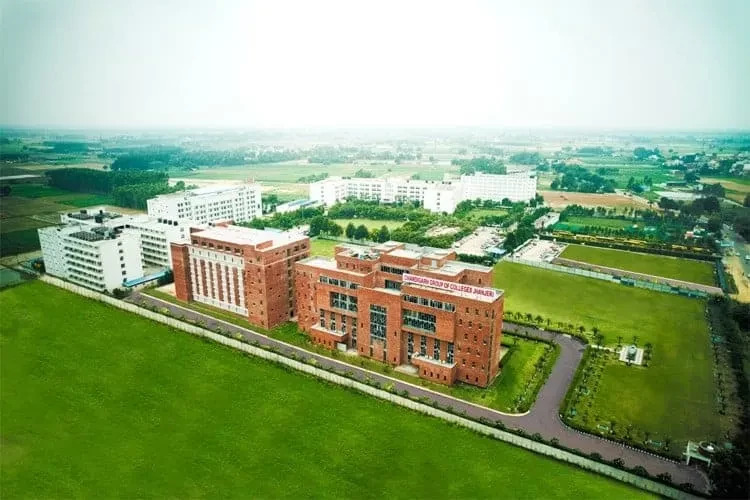
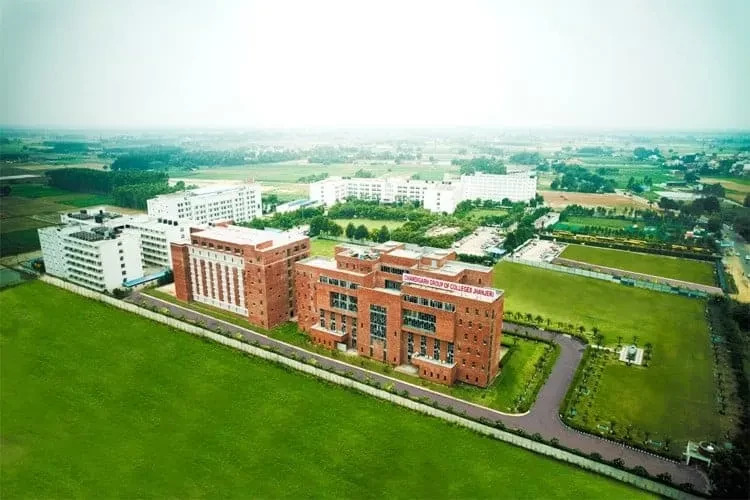
CGC University, Mohali, offers engineering programmes in areas such as Computer Science and Engineering, Mechanical Engineering, Civil Engineering, and other technology-related disciplines.
The university also provides opportunities to explore emerging technologies and industry-oriented learning initiatives.
Some Initiatives Students Can Explore Include:
IBM Centre for Emerging Technologies: The centre provides exposure to areas such as Artificial Intelligence, Machine Learning, Data Science, Cloud Computing, Cybersecurity, and other emerging technologies. Students can explore industry-curated learning, practical projects, and relevant certifications.
MongoDB Centre for Data & AI Excellence: This initiative, developed through a collaboration between CGC University and MongoDB, focuses on modern database technologies, data management, and AI-related learning opportunities for students.
Industry Collaborations: Industry-linked academic initiatives and programmes provide students with opportunities to understand professional requirements and explore technology-related applications.
Students should also explore available laboratory facilities, workshops, technical events, internship opportunities, and programme-specific practical learning components.
Before selecting a programme, it is advisable to review the latest curriculum, eligibility criteria, industry collaboration details, and available facilities through the university's official website.
Final Thoughts
Engineering education is evolving, and students must prepare for a professional environment where practical knowledge, technical expertise, and adaptability are increasingly important.
A degree provides the academic foundation, but internships, projects, industry exposure, emerging technology skills, and communication abilities help students connect their education with professional responsibilities.
Students planning to pursue engineering in 2027 should look for opportunities to learn beyond textbooks, participate in practical activities, and develop skills relevant to their chosen careers.
At CGC University, Mohali, exploring engineering programmes, specialised learning initiatives, and industry-oriented opportunities can help students take informed steps towards their professional goals.
Ultimately, becoming a successful engineer is not just about earning a degree. It is about developing the knowledge, experience, and confidence to use engineering skills to solve real-world problems.