


Science education in India is changing very rapidly.
A few years ago, most students pursued M.Sc programs mainly for teaching careers or government exam preparation. But today, postgraduate science education connects directly with:
- research and innovation,
- data science,
- AI-driven industries,
- biotechnology,
- cyber security,
- analytics,
- scientific computing,
- and technology-focused careers.
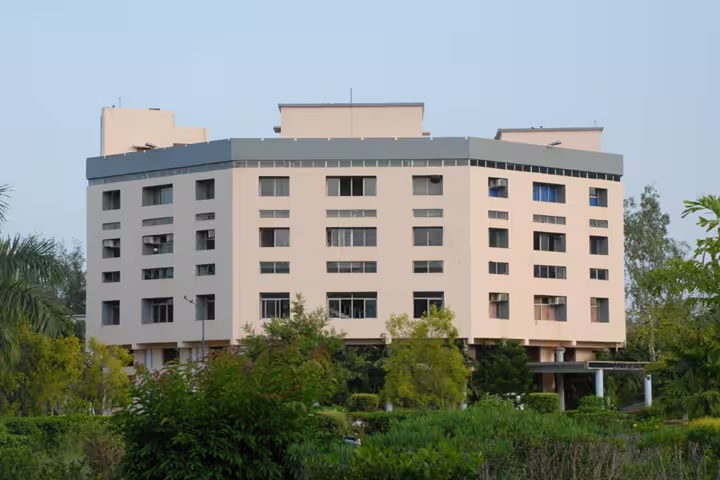
This shift is exactly why institutions like NIST Berhampur are getting increasing attention among students looking for modern science education with practical exposure.
If you've been researching science-focused universities in Odisha, there is a strong chance you've already come across NIST Berhampur during your search.
The university has gradually built a strong academic presence in engineering, management, and science education, especially for students looking for research-focused and technology-integrated learning. According to the NIST University website, the institution highlights interdisciplinary education, innovation-driven academics, research culture, and modern laboratory infrastructure as major focus areas.
But honestly, students should understand something very clearly before choosing any M.Sc program:
An M.Sc degree alone no longer guarantees strong career growth.
The students who usually perform best after postgraduate science education are the ones who continuously:
- improve analytical skills,
- build research exposure,
- participate in projects,
- learn modern technologies,
- work on communication skills,
- and actively explore opportunities outside classrooms.
The university can provide exposure and infrastructure.
Your consistency and practical understanding are what actually shape your long-term career.
Why M.Sc Careers Are Growing So Fast Today
The science industry today looks completely different from what it was even 5-10 years ago.
Earlier, M.Sc graduates mainly worked in:
- teaching,
- academic research,
- basic laboratory work,
- or government sectors.
Now industries and organizations hire postgraduate science students for:
- Data Science
- Artificial Intelligence Research
- Cyber Security
- Biotechnology Research
- Healthcare Technology
- Scientific Computing
- Analytics
- Industrial Research
- Materials Science
- Research & Development
Reports published by the World Economic Forum continue highlighting analytical thinking, problem-solving, AI literacy, and scientific innovation among the fastest-growing workplace skills globally.
Similarly, industries today increasingly prefer professionals who can combine scientific understanding with computational and analytical skills.
This shift is exactly why modern M.Sc programs are becoming much more industry-oriented than many students initially realize.
What Makes the M.Sc Program at NIST Berhampur Different?
One thing students usually notice quickly at NIST is that the university focuses heavily on research-oriented and interdisciplinary learning.
According to the reserach, NIST emphasizes:
- hands-on laboratory learning,
- research-focused curriculum,
- interdisciplinary scientific education,
- innovation-driven academics,
- modern research facilities,
- and industry-academia interaction.
Source: Eduvow
The university also highlights:
- advanced laboratories,
- research-driven faculty,
- project-based learning,
- and innovation-focused academic culture.
And honestly, this matters a lot in postgraduate science education.
Because industries and research organizations today usually evaluate:
- research ability,
- practical laboratory exposure,
- technical adaptability,
- problem-solving skills,
- and analytical thinking
far more than theoretical marks alone.
M.Sc Specializations Students Can Explore at NIST Berhampur
One strong point of NIST is that students can explore both traditional science programs and modern technology-integrated specializations.
Based on publicly available information, students can explore areas such as:
- M.Sc Physics
- M.Sc Chemistry
- M.Sc Mathematics
- M.Sc Biotechnology
- M.Sc Data Science
- M.Sc Cyber Security
This flexibility is useful because many students today want science education combined with modern technology exposure.
What Students Actually Learn During M.Sc
The learning experience naturally depends on the specialization chosen, but overall students usually gain exposure in areas like:
- Advanced Scientific Concepts
- Research Methodology
- Data Analysis
- Computational Techniques
- Scientific Programming
- Laboratory Experiments
- Statistical Analysis
- Technical Communication
- Research Paper Writing
- Scientific Presentations
- Project Development
- Problem-Solving Approaches
Students in technology-oriented specializations may also work with:
- Python
- Machine Learning Tools
- Cyber Security Systems
- Data Visualization Platforms
- Cloud Technologies
- Research Software
And honestly, practical understanding becomes extremely important during postgraduate science education.
Because industries and research organizations generally prioritize practical exposure and analytical ability much more than memorized theory.
Research Exposure and Laboratory Environment
Research exposure is one of the biggest advantages students look for during M.Sc programs today.
According to the official NIST science department information, the university promotes:
- scientific research,
- seminars and workshops,
- research publications,
- scientific conferences,
- and collaborative projects.
The university also mentions:
- innovation activities,
- research-driven academics,
- and interdisciplinary project exposure.
For students planning careers in:
- research,
- PhD programs,
- higher studies abroad,
- scientific innovation,
- or analytics-driven industries,
this kind of academic environment can become extremely valuable.
M.Sc Fees at NIST Berhampur
One thing students and parents should realistically evaluate before joining postgraduate science programs is the total cost of education.
Research-oriented programs involving laboratories, technology infrastructure, and hostel facilities can become a significant investment.
| Fee Component | Approximate Amount |
|---|---|
| Annual Tuition Fee | Rs40,000 - Rs1 lakh |
| Total Program Fee | Rs80,000 - Rs2.2 lakh |
| Hostel Charges | Rs70,000 - Rs1.2 lakh yearly |
| Additional Charges | Laboratory fees, examination charges, research expenses may apply separately |
Fee estimates are based on publicly available course details and educational admission platforms.
But honestly, ROI in science education depends heavily on:
- research exposure,
- technical skills,
- internships,
- projects,
- specialization choice,
- and long-term career planning
rather than only the degree itself.
Placement Opportunities and Career Scope After M.Sc
The career scope after M.Sc today is much broader than many students initially assume.
Students may explore opportunities in:
- research organizations,
- technology companies,
- analytics firms,
- biotechnology companies,
- healthcare technology firms,
- educational institutions,
- and cyber security industries.
Common career roles after M.Sc include:
- Research Associate
- Data Analyst
- Scientific Programmer
- Cyber Security Analyst
- Research Scientist
- Lab Scientist
- Technical Consultant
- Biotechnology Associate
- Research Assistant
- Academic Researcher
Expected Salary Range
| Career Stage | Expected Salary |
|---|---|
| Freshers | Rs3 LPA - Rs6 LPA |
| Specialized Technical Roles | Rs6 LPA - Rs12 LPA+ |
| Research & Higher Studies Careers | Can vary significantly |
Salary trends and hiring estimates are based on publicly available market data from platforms like Glassdoor India, AmbitionBox, LinkedIn Jobs, and Naukri.com where data science, cyber security, and research-related hiring continue growing rapidly.
Campus Exposure Matters More in M.Sc Than Students Realize
Postgraduate science students often grow much faster when they participate beyond academics.
Things like:
- research projects,
- scientific conferences,
- technical workshops,
- coding competitions,
- research publications,
- seminars,
- and collaborative innovation activities
often become equally important as classroom learning.
Because research and technology industries value:
- analytical thinking,
- problem-solving,
- communication ability,
- adaptability,
- and innovation
almost as much as technical knowledge itself.
FAQ
Q1. Is NIST Berhampur good for M.Sc programs?
NIST Berhampur is gaining attention for research-oriented science education, interdisciplinary learning, and modern laboratory infrastructure.
Q2. Which M.Sc specializations are available at NIST?
Students can explore Physics, Chemistry, Mathematics, Biotechnology, Data Science, and Cyber Security programs.
Q3. Is research exposure important during M.Sc?
Yes. Research exposure plays a major role in higher studies, scientific careers, research jobs, and innovation-driven industries.
Q4. Does M.Sc still have good career scope today?
Yes. Modern M.Sc programs now connect strongly with analytics, AI, biotechnology, cyber security, healthcare technology, and research-driven industries.
Q5. Is practical learning more important than marks in M.Sc?
In many industries and research organizations, practical exposure, projects, and analytical thinking are often valued more than theoretical marks alone.
Q6. Can M.Sc students enter Data Science or AI careers?
Yes. Students with strong analytical and programming skills can move into AI, machine learning, analytics, and computational research fields.
Q7. Is NIST expensive for M.Sc programs?
Compared to many private universities, NIST's M.Sc fee structure is relatively moderate, though hostel and additional expenses should still be evaluated carefully.
Q8. Are placements guaranteed after M.Sc?
Not really. Career opportunities depend heavily on research exposure, technical skills, internships, projects, and communication ability.
Final Thoughts
M.Sc at NIST Berhampur is not just a traditional postgraduate science degree focused only on classroom teaching.
The university attempts to provide:
- research exposure,
- modern laboratories,
- technology-integrated learning,
- innovation-driven education,
- interdisciplinary academics,
- project-based learning,
- and practical skill development.
But science careers today are highly skill-driven.
Your:
- research ability,
- analytical thinking,
- technical consistency,
- projects,
- communication skills,
- and willingness to continuously learn
will ultimately shape your career far more than the degree name alone.
If you genuinely enjoy science, research, innovation, technology, and problem-solving - and are willing to continuously improve your skills - this course can become a strong foundation for modern scientific and technology-driven careers.
For More information: NIST Berhampur