



About Indian Veterinary Research Institute
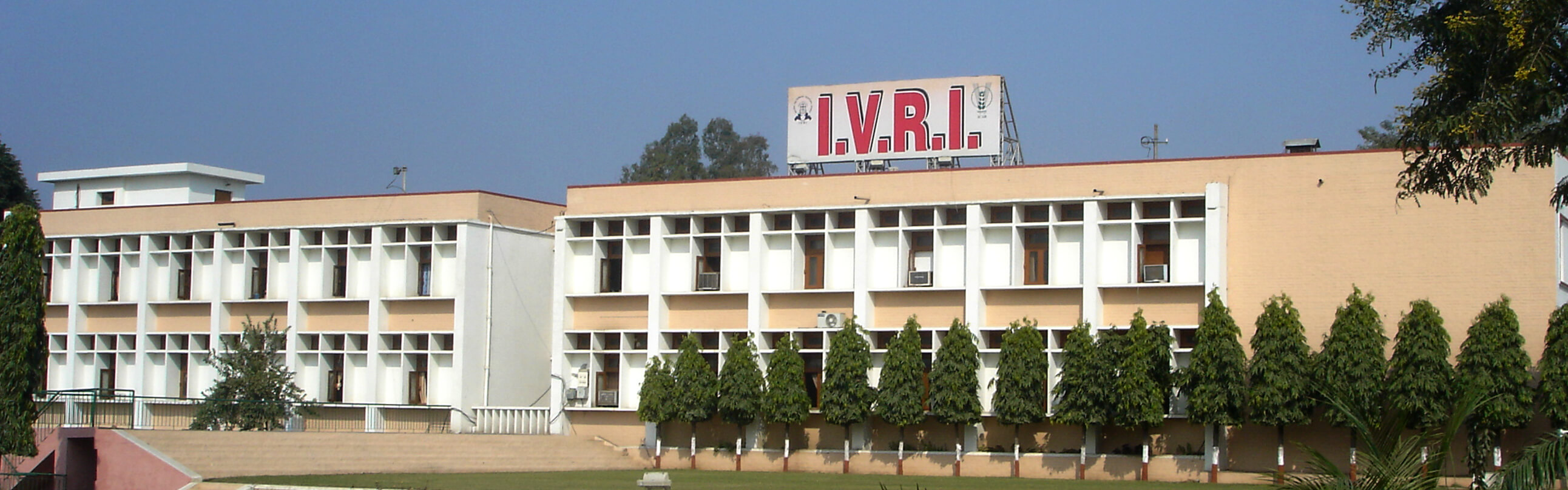
The Imperial Bacteriological Laboratory was established in Pune in 1889 under Dr Alfred Lingard. Due to safety concerns in the populated city, it was shifted in 1893 to Mukteswar in the Kumaon hills, about 1500 meters above sea level. The institute focused on controlling rinderpest, then the most destructive cattle disease, and produced its first anti rinderpest serum in 1899. By 1906, it was producing antisera for major livestock diseases and expanding its work through a sub centre in Kargaina. In 1913, the institute moved to Izatnagar, where it remains today. Renamed several times, it became the Indian Veterinary Research Institute after independence and came under ICAR in 1966. Over time, it expanded with regional stations, campuses, and new specialized institutes.


.png)


Courses Offered
by Indian Veterinary Research Institute
Streams & Courses
offered by Indian Veterinary Research Institute
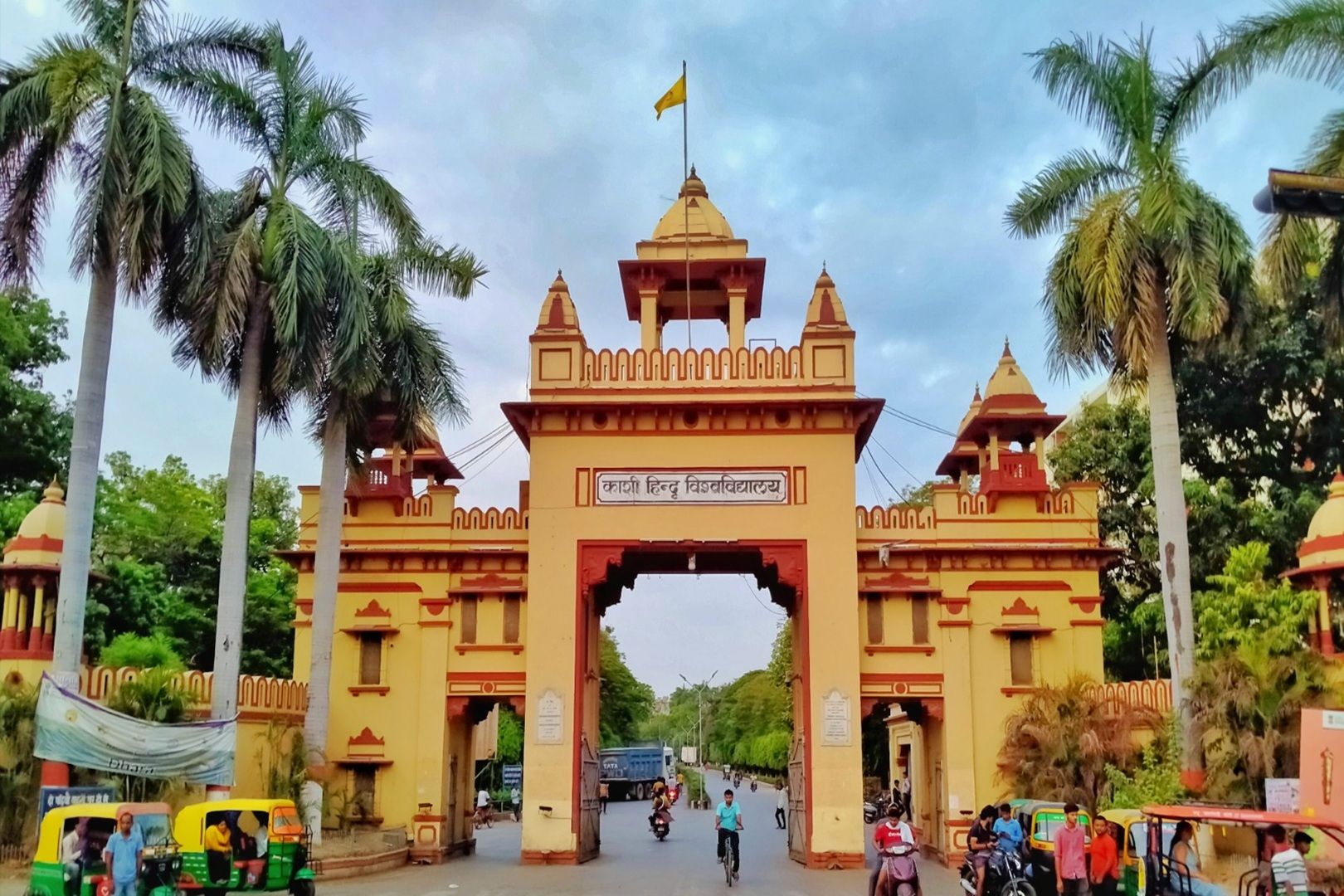
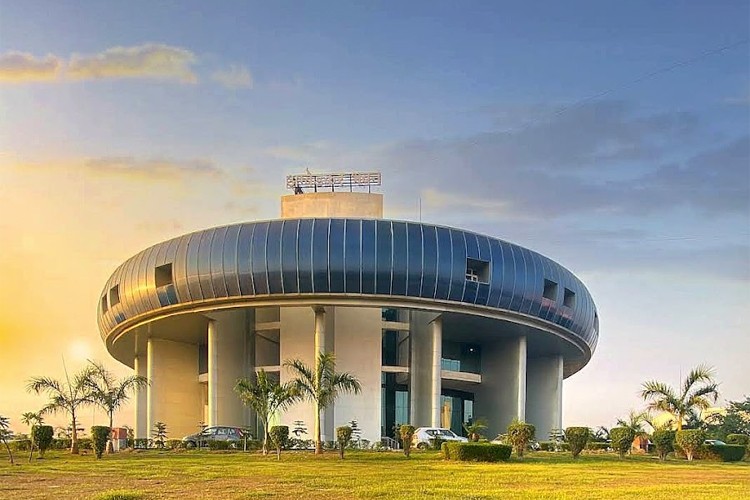
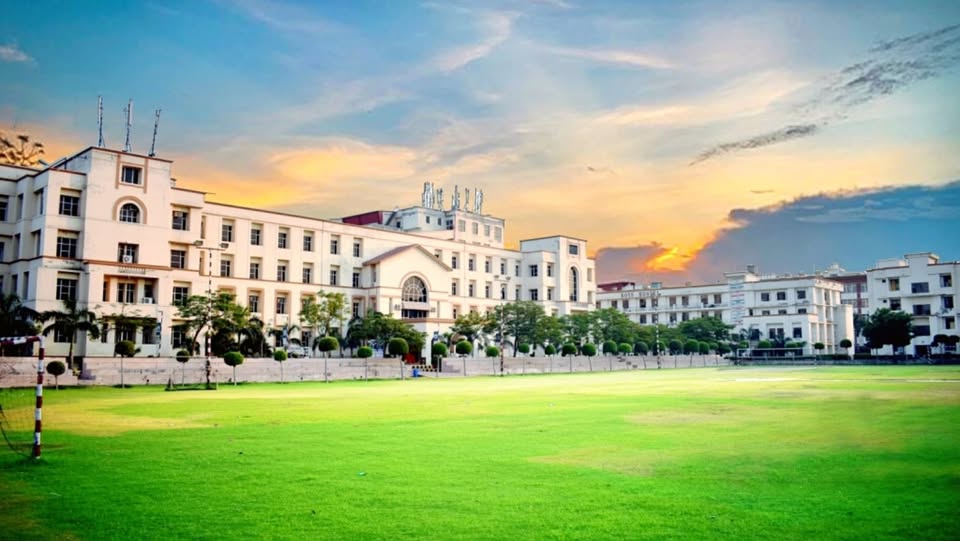
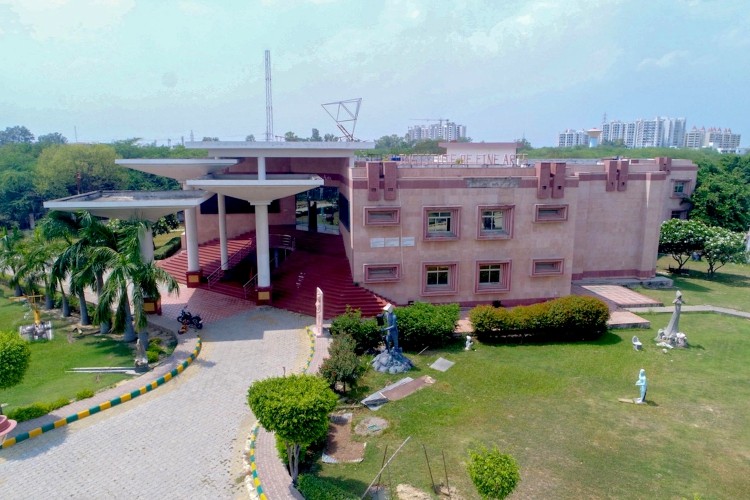
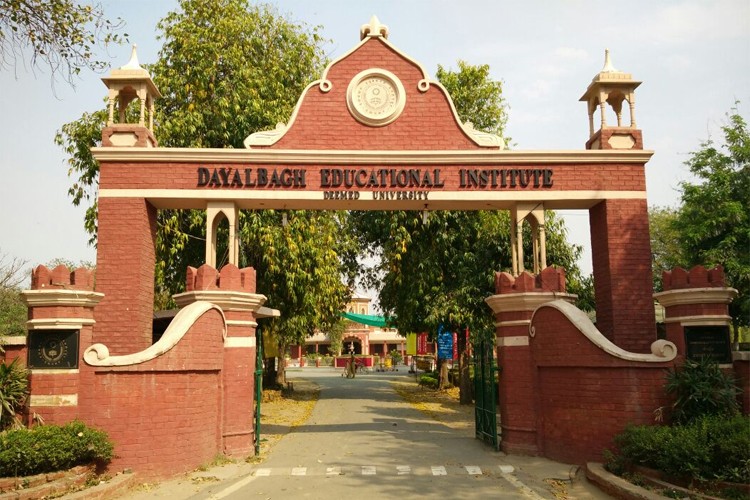
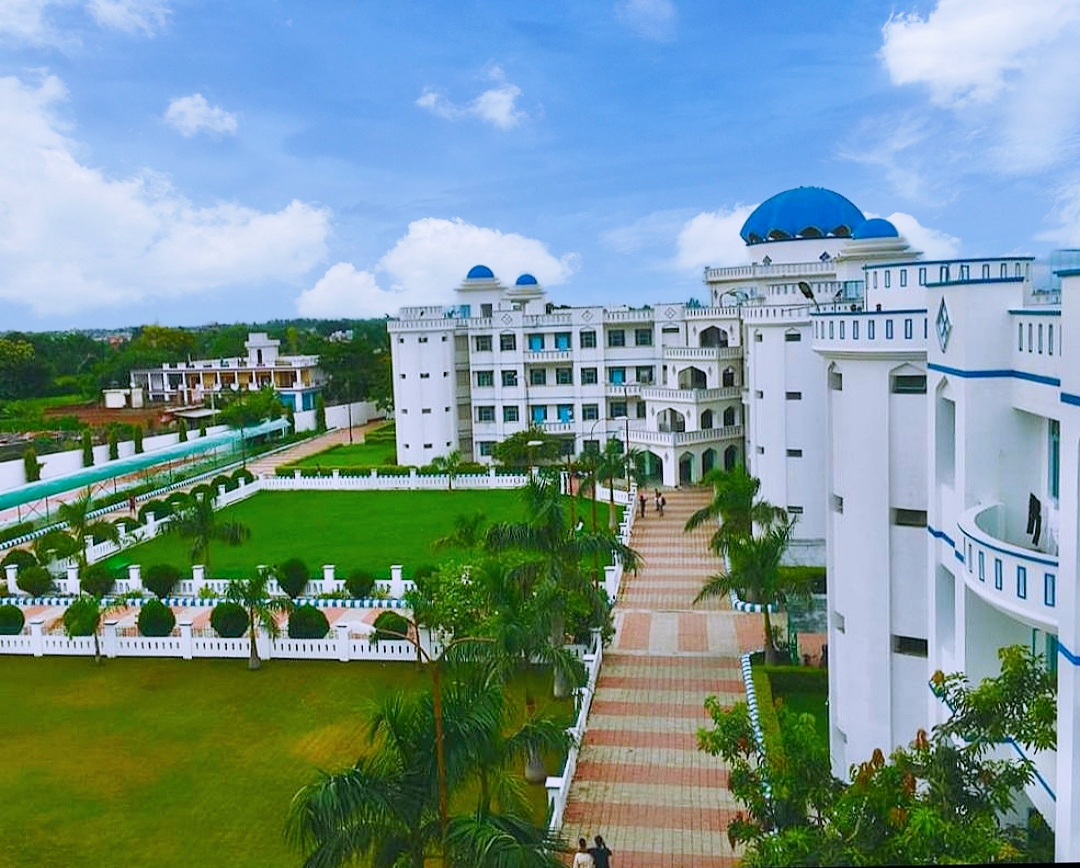
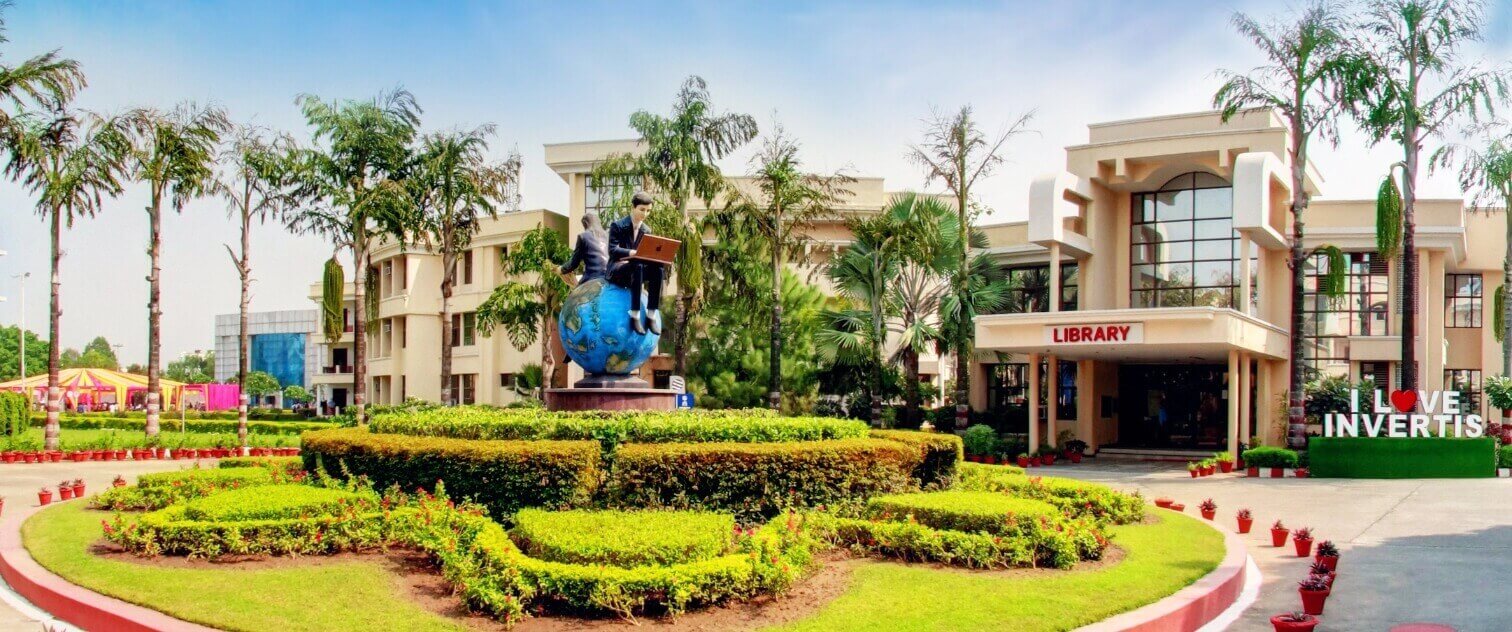
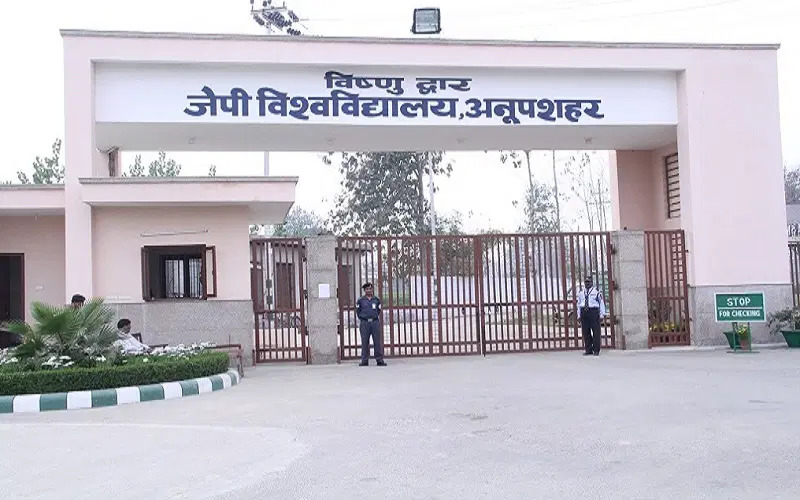
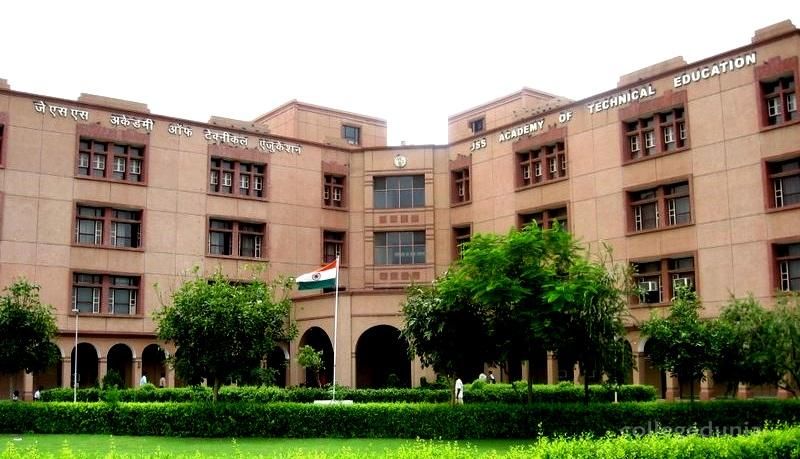
University Gallery
Indian Veterinary Research Institute Highlights
Key facts and institutional overview
| Particulars | Details |
|---|---|
| Name | Indian Veterinary Research Institute |
| Established | Institute Type | 1983 |
| Approved By | ICAR; deemed-to-be university |
| NIRF Rank | 5 () |
| Popular Courses | Veterinary Science, Animal Husbandry, Animal Biotechnology and Veterinary Public Health |
| Application Mode | Regular; programme-specific mode varies |
| Admission Criteria | Programme-specific admission; entrance test may apply |
| Official Website | https://www.ivri.nic.in/ |
| Address | Izatnagar, Bareilly, Uttar Pradesh, India |
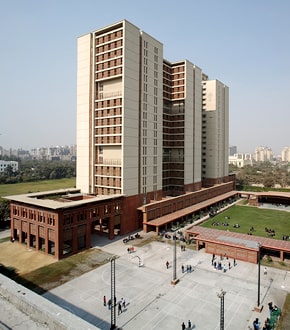
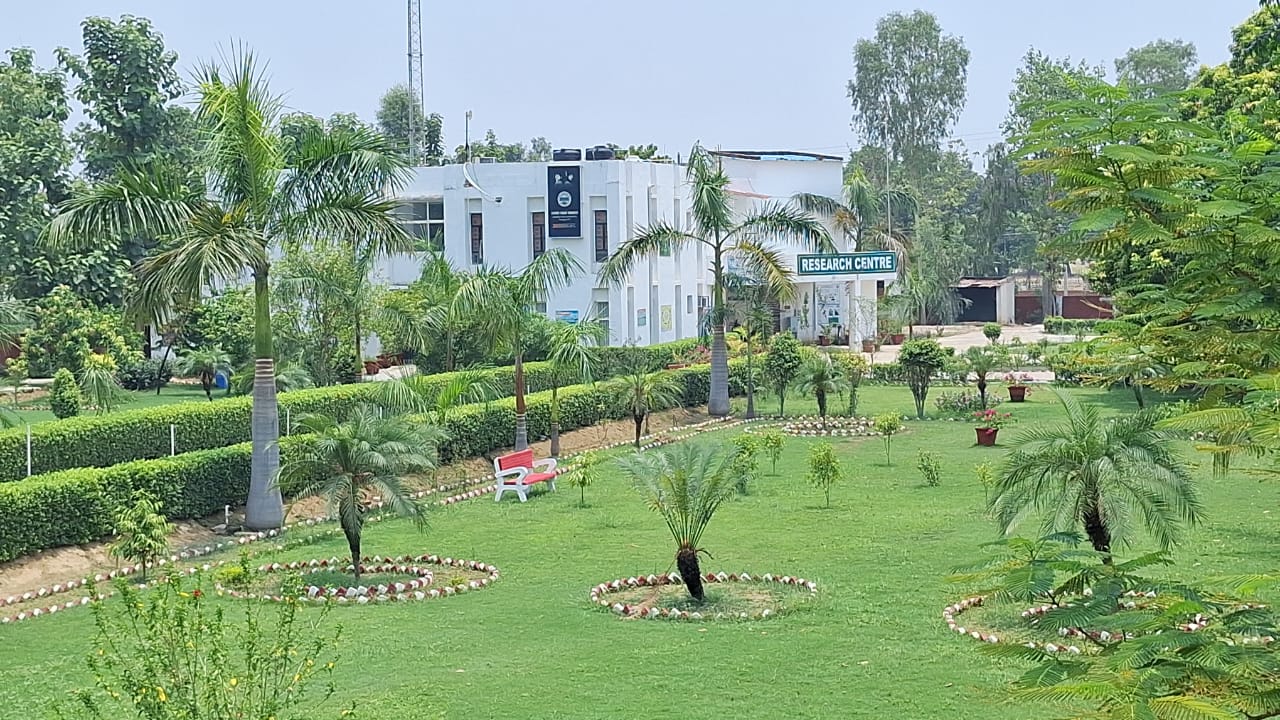
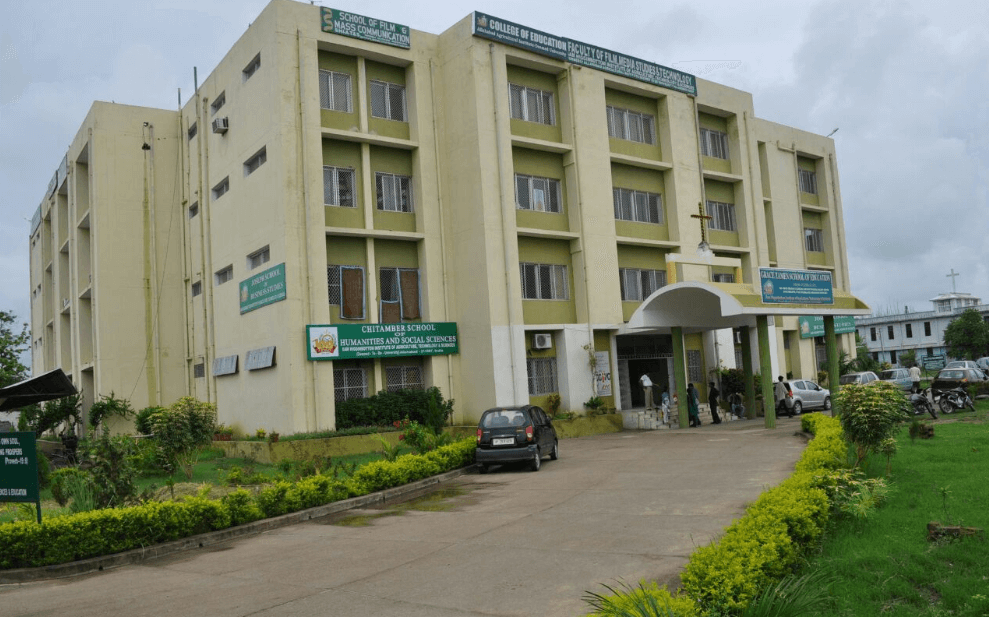
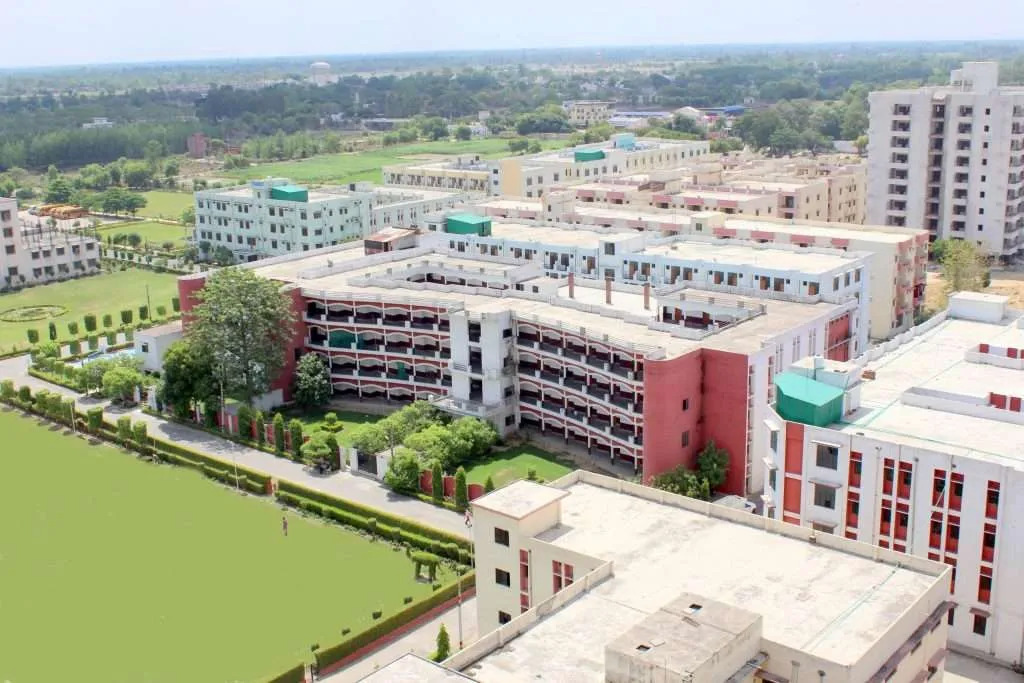
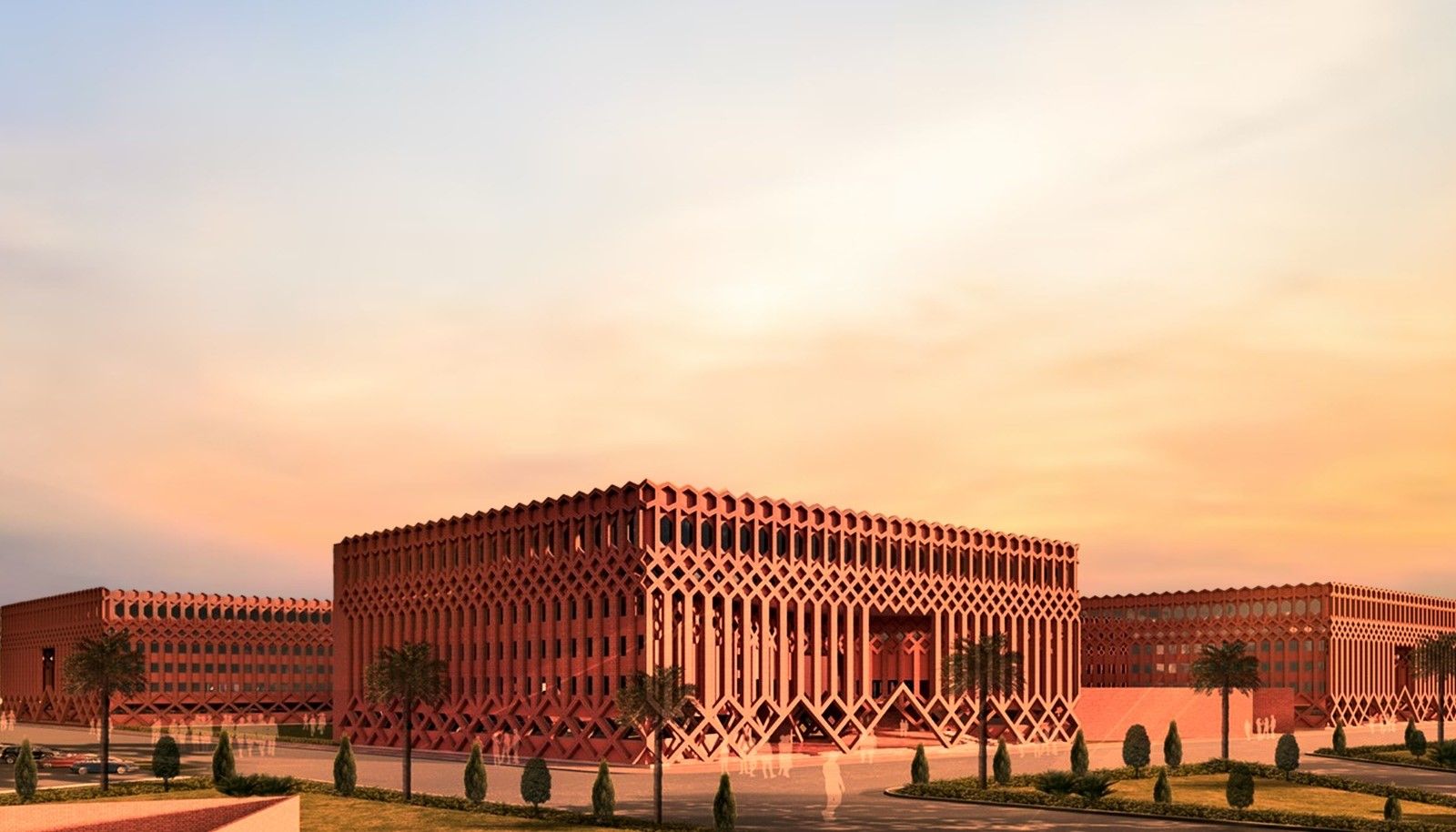
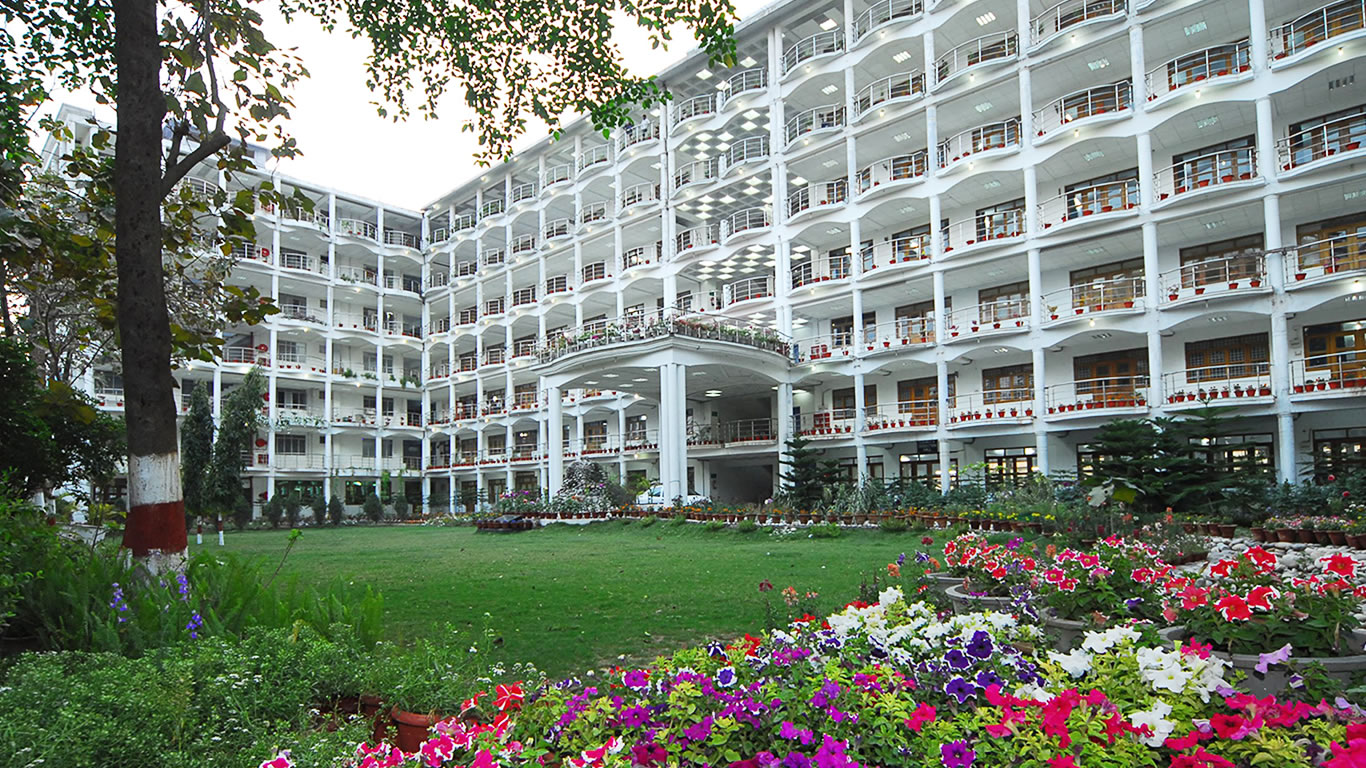
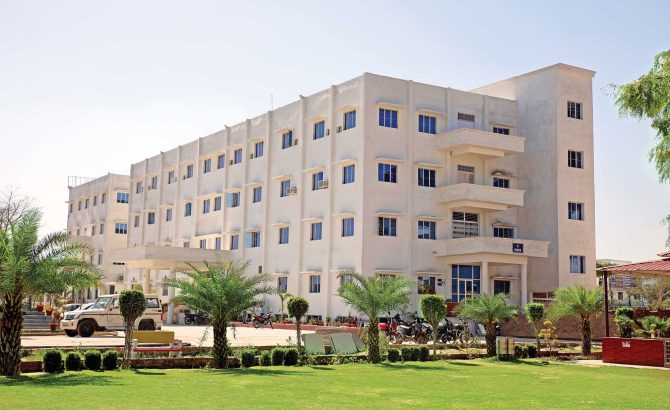
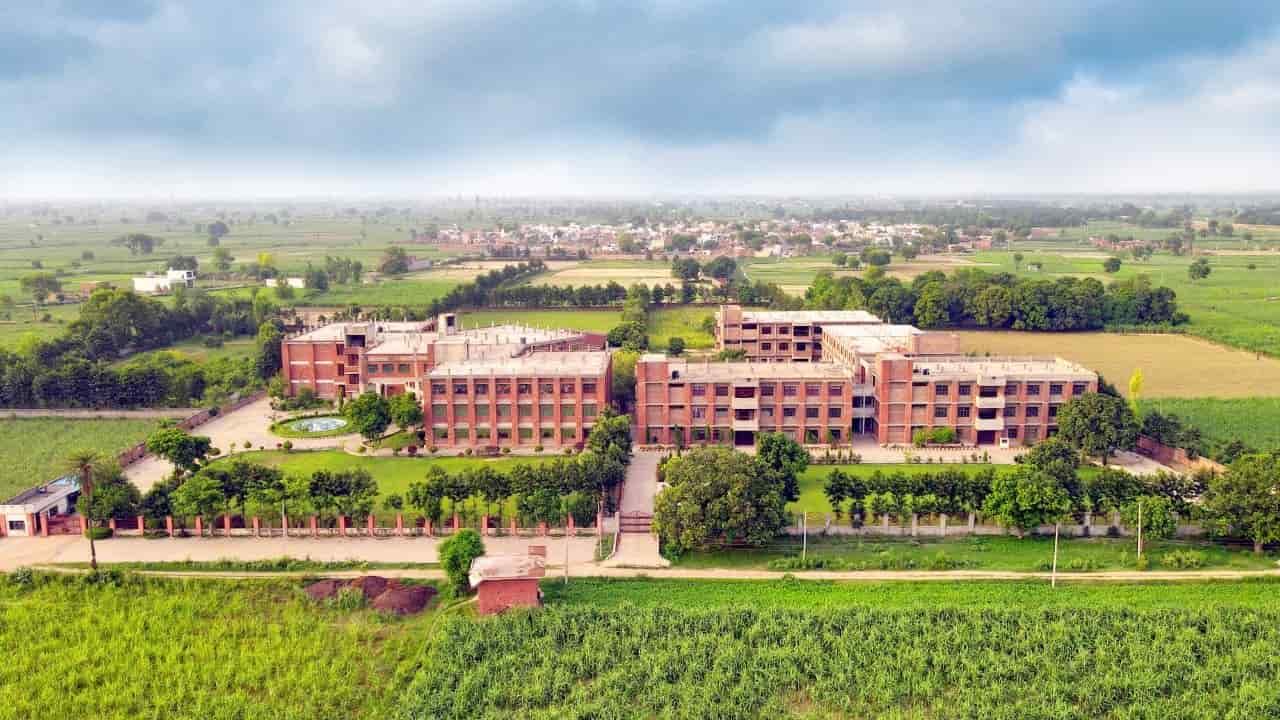
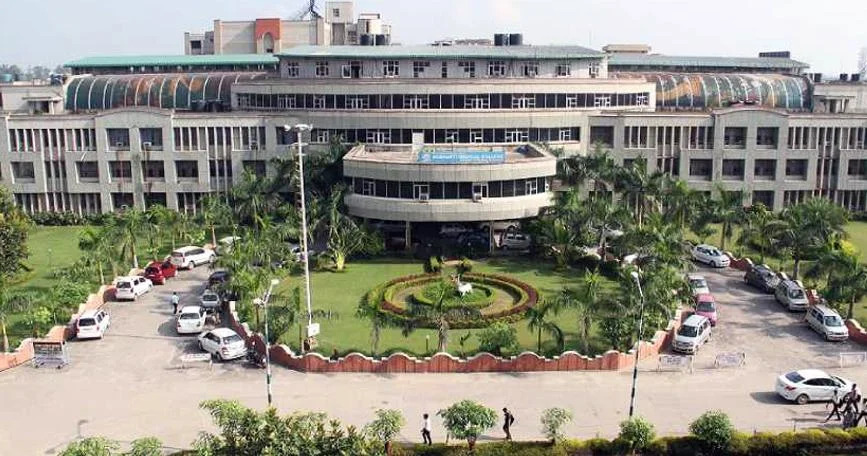
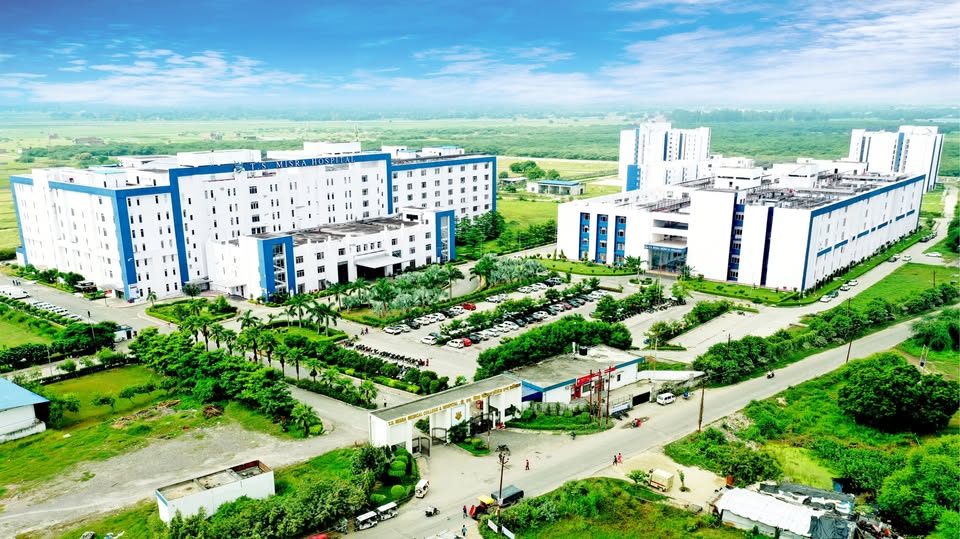
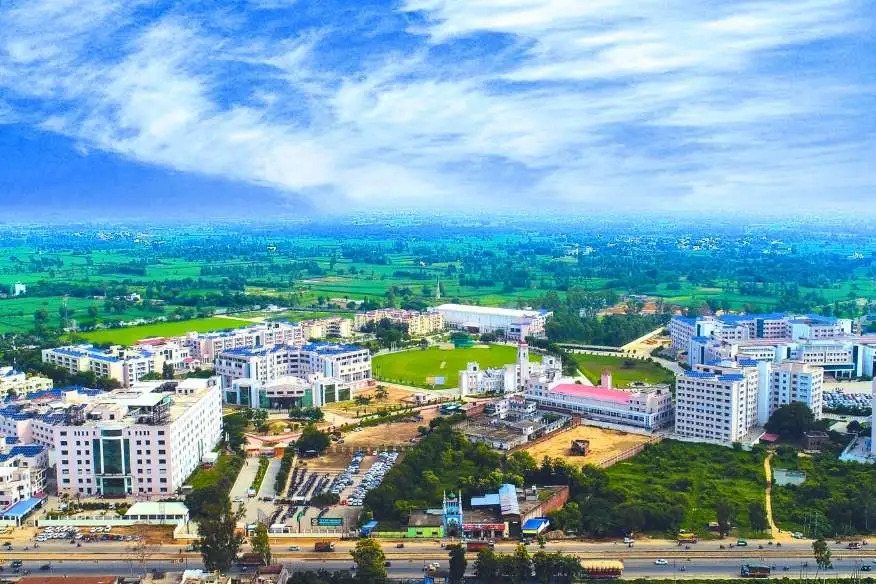
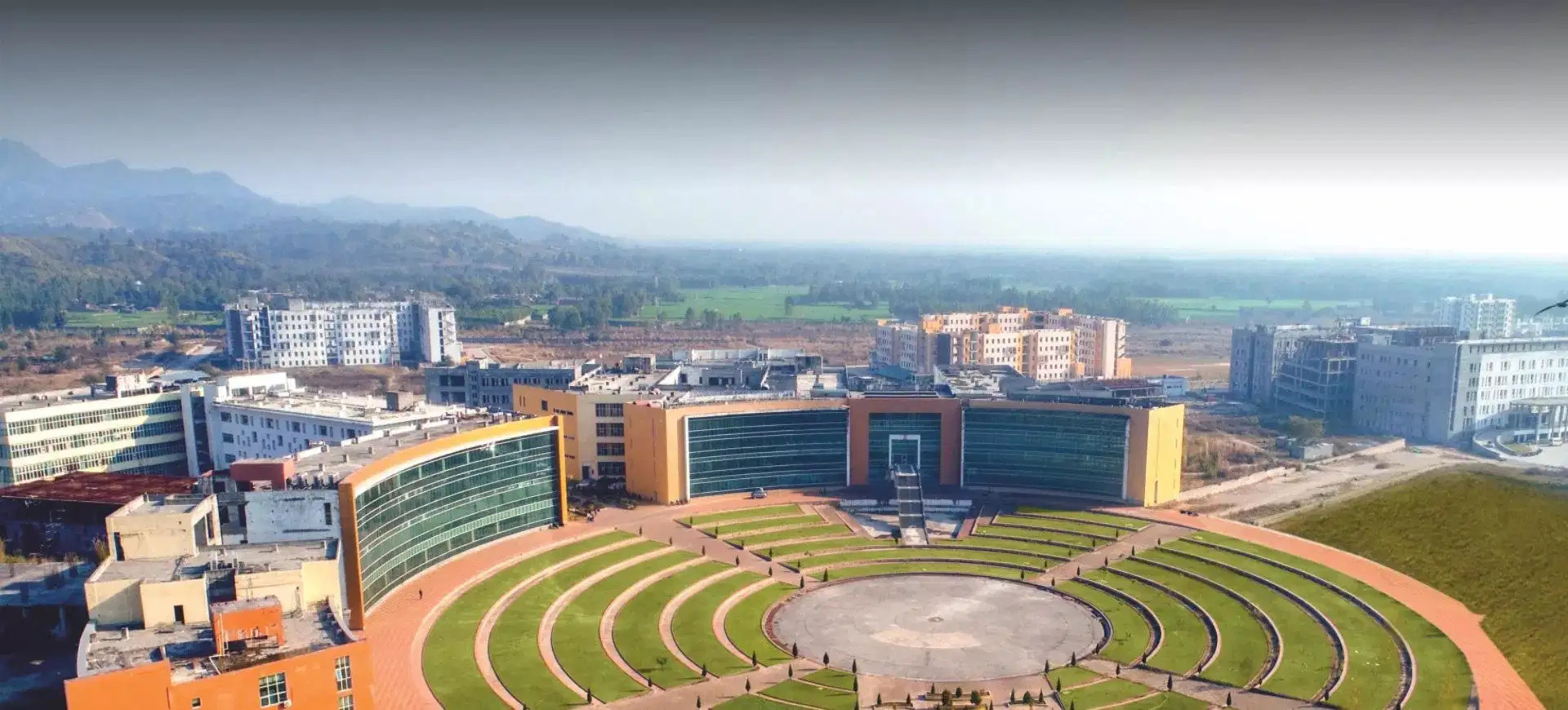
Indian Veterinary Research Institute Infrastructure
Campus infrastructure and facilities overview
Admission
Course-wise eligibility and selection process
| Course | Eligibility | Selection Process |
|---|---|---|
| No admission data available. | ||
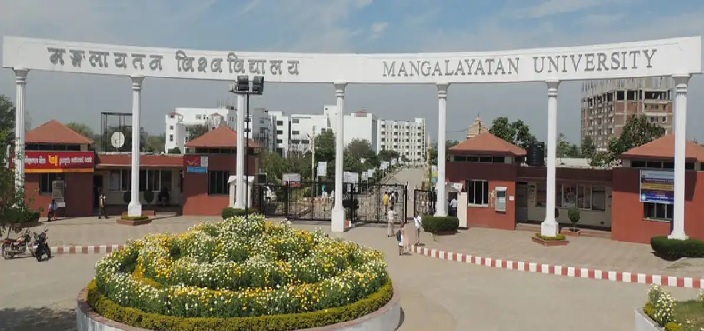
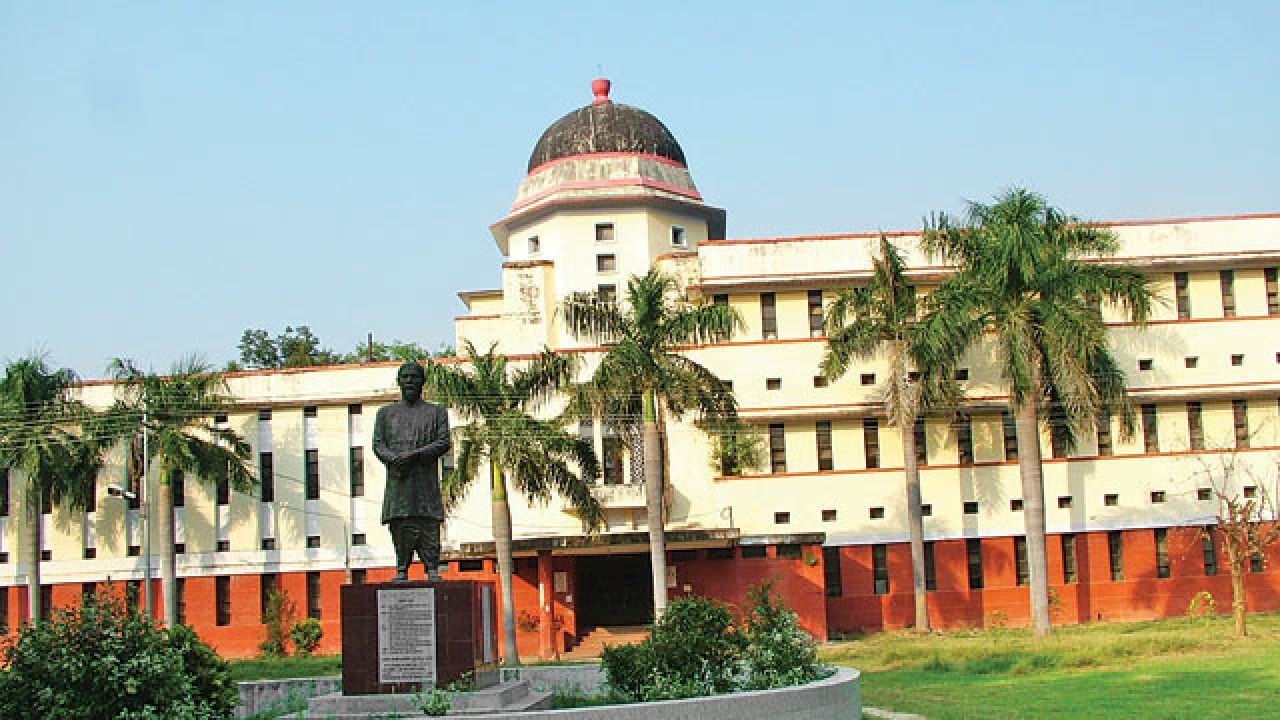
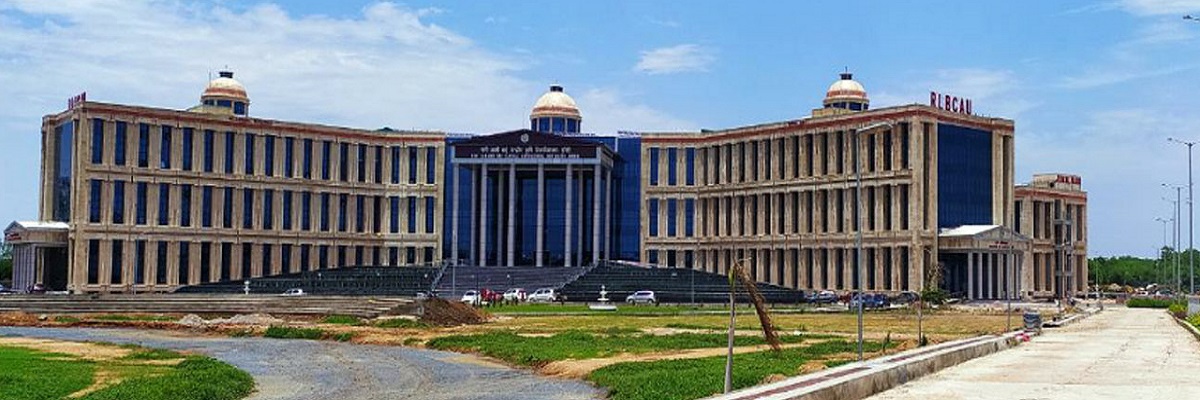
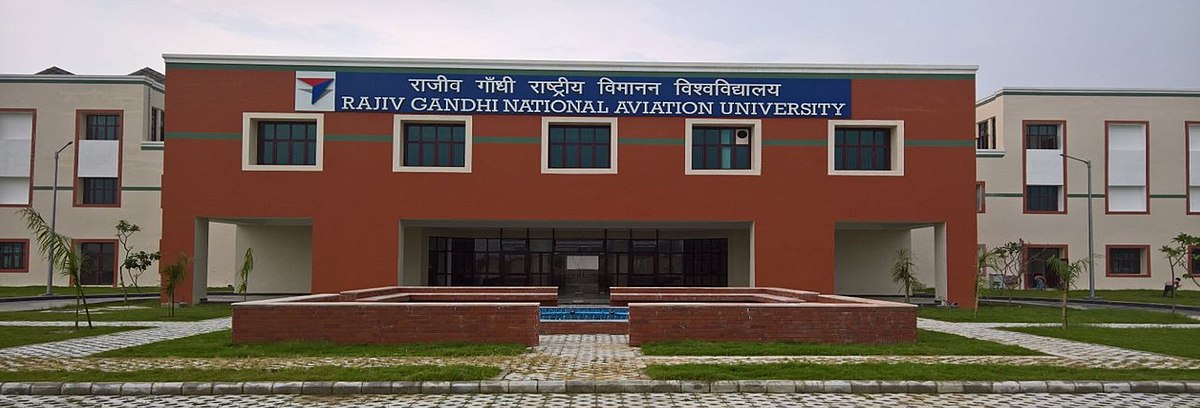
.jpg)

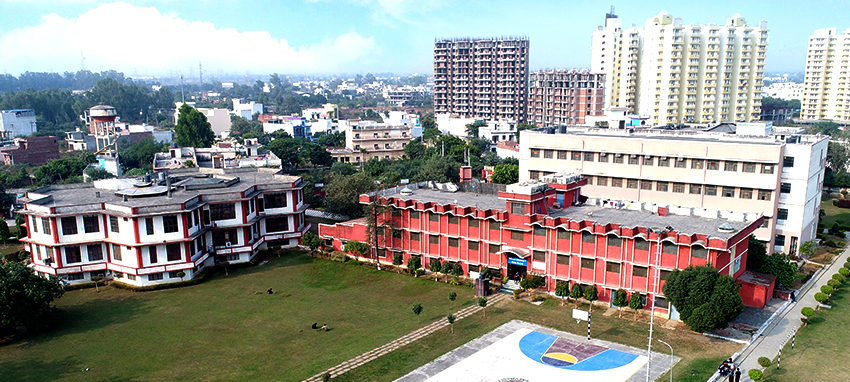
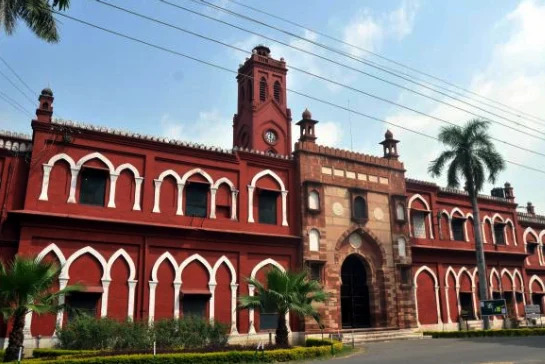
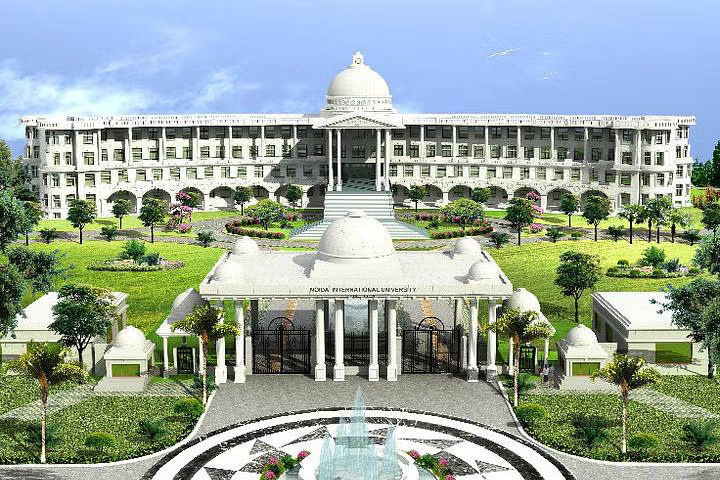
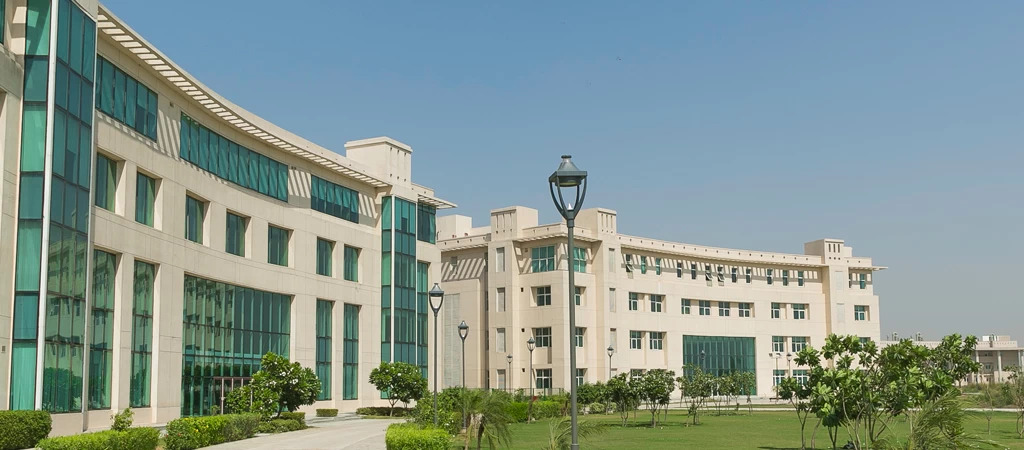
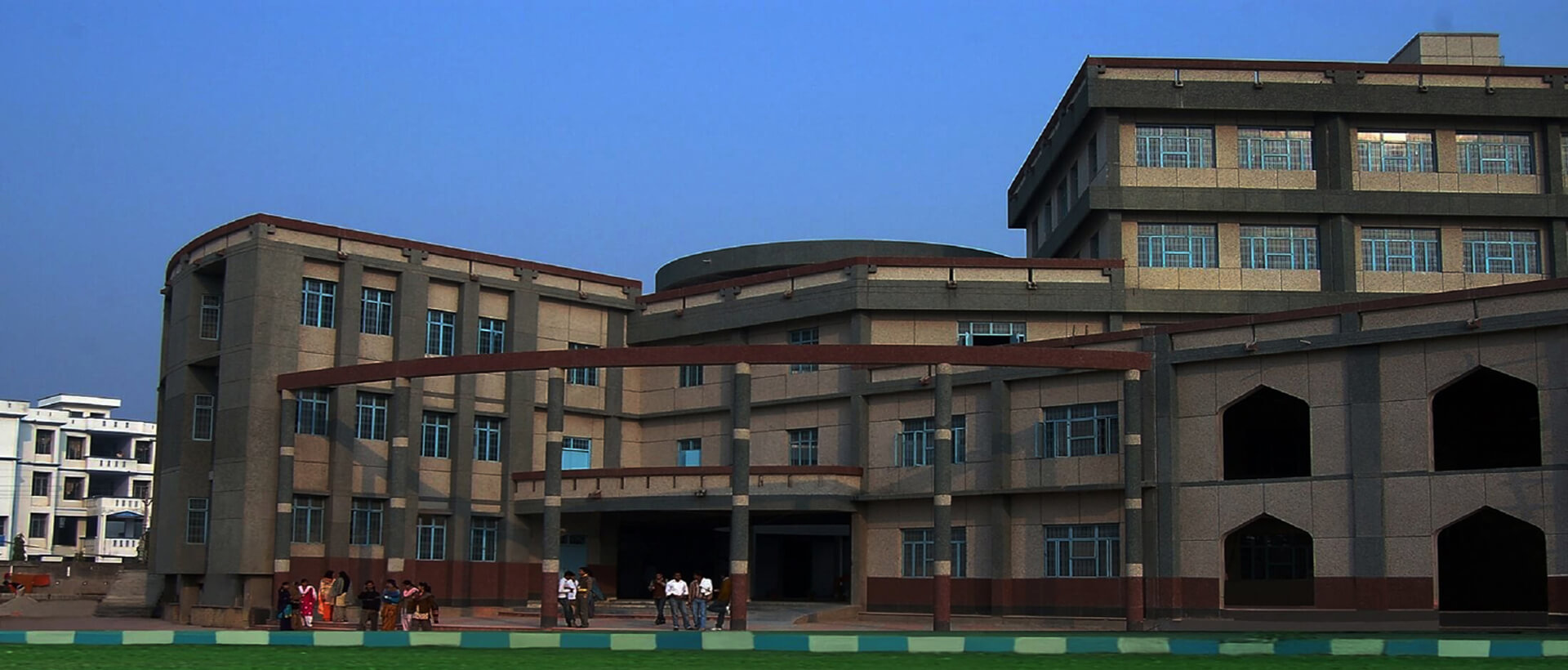
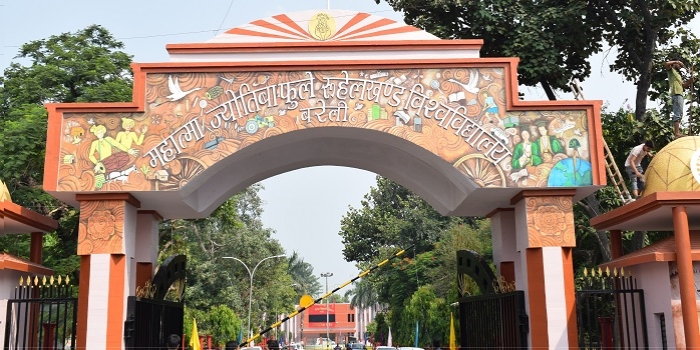
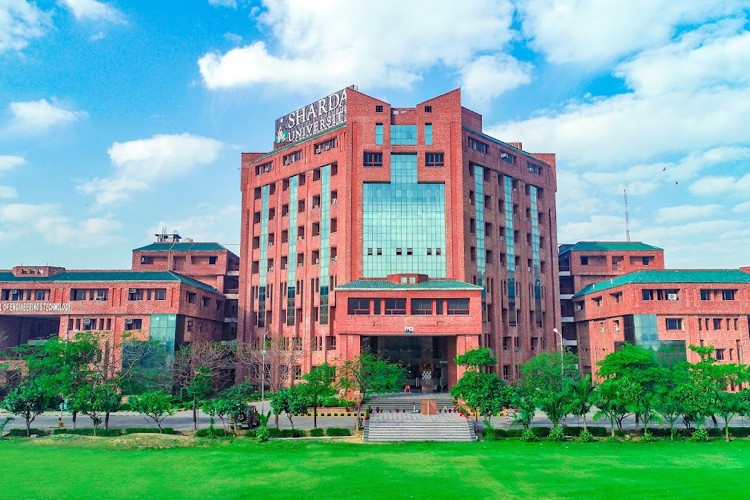
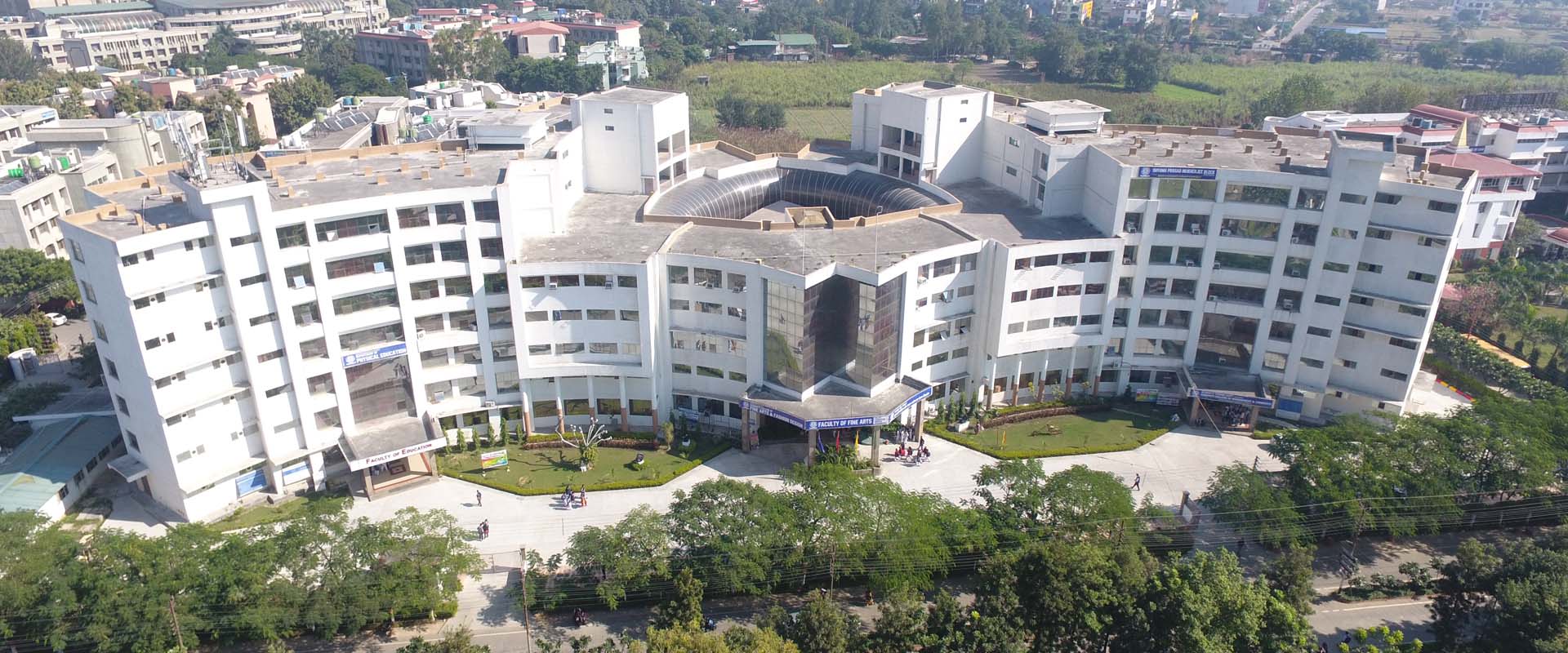
.jpg)


.jpg)